
 English
  Français
  Português
  Español
  العربية
  Deutsch
  日本語
日本語  한국어
한국어  Italiano
  हिन्दी
  Русский
 Quartz countertops have become increasingly popular in recent years due to their durability, low maintenance, and aesthetic appeal. If you’re considering installing a quartz countertop in your home, this ultimate guide will provide you with all the information you need to make an informed decision.
What is Quartz Countertop?
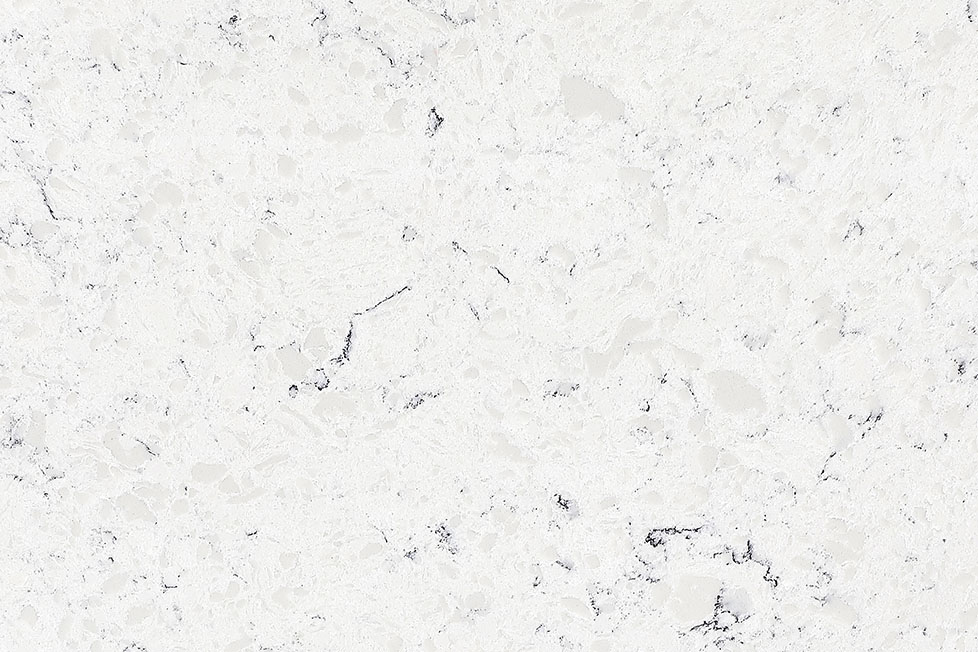
Quartz countertops are made from engineered stone that is composed of 93% quartz particles and 7% resin binder and pigments. The quartz particles are sourced from natural quartz, which is one of the hardest minerals on earth. The resin binder and pigments are added to create a durable and non-porous surface that is resistant to scratches, stains, and heat.
Advantages of Quartz Countertop
1. Durability: Quartz countertops are extremely durable and can withstand daily wear and tear without showing signs of damage.
2. Low Maintenance: Quartz countertops are non-porous, which means they do not absorb liquids or stains. They are also easy to clean and maintain.
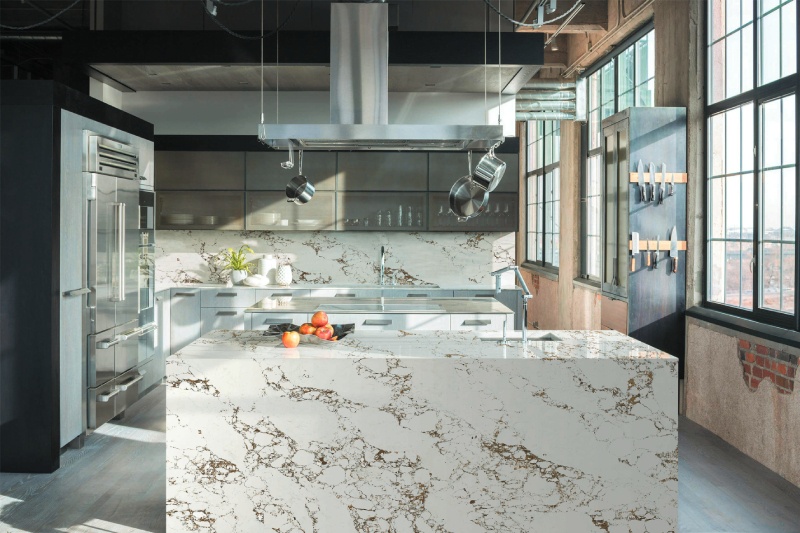
3. Aesthetic Appeal: Quartz countertops come in a wide range of colors and patterns, making them a versatile option for any kitchen or bathroom design.
4. Hygienic: Quartz countertops are non-porous, which means they do not harbor bacteria or germs, making them a hygienic option for food preparation areas.
5. Resistant to Heat: Quartz countertops are heat-resistant, which means they can withstand high temperatures without showing signs of damage.
Disadvantages of Quartz Countertop
1. Cost: Quartz countertops can be more expensive than other countertop materials, such as laminate or tile.
2. Not Completely Heat-Proof: While quartz countertops are heat-resistant, they are not completely heat-proof. Placing hot pots or pans directly on the surface can cause damage.
3. Not Completely Scratch-Proof: While quartz countertops are scratch-resistant, they are not completely scratch-proof. Sharp objects can still cause scratches on the surface.
4. Limited Color Options: While quartz countertops come in a wide range of colors and patterns, the options are still more limited compared to natural stone countertops.
5. Professional Installation Required: Quartz countertops require professional installation, which can add to the overall cost.
How to Choose the Right Quartz Countertop
1. Color and Pattern: Choose a color and pattern that complements your kitchen or bathroom design.
2. Thickness: Choose a thickness that suits your design and budget.
3. Finish: Choose a finish that suits your design and lifestyle. Polished finishes are shiny and reflective, while honed finishes are matte and smooth.
4. Edge Profile: Choose an edge profile that suits your design and budget. Popular edge profiles include straight, beveled, and bullnose.
5. Brand and Quality: Choose a reputable brand and quality quartz countertop to ensure durability and longevity.
How to Care for Quartz Countertop
1. Clean spills immediately to prevent staining.
2. Use a mild soap and water solution to clean the surface.
3. Avoid using abrasive cleaners or scrubbers that can scratch the surface.
4. Use cutting boards and trivets to prevent scratches and heat damage.
5. Avoid placing hot pots or pans directly on the surface.
Conclusion
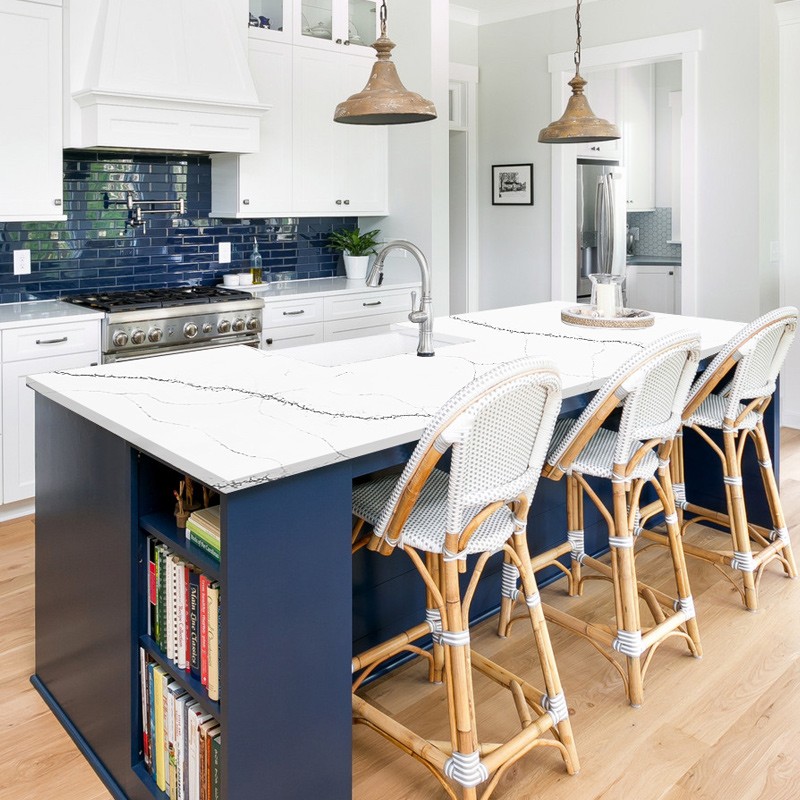
Quartz countertops are a durable, low maintenance, and aesthetically appealing option for any kitchen or bathroom design. While they may be more expensive than other countertop materials, their longevity and durability make them a worthwhile investment. By choosing the right color, thickness, finish, edge profile, brand, and quality, and following proper care and maintenance, your quartz countertop can last for many years to come.
Related Products