
 English
  Français
  Português
  Español
  العربية
  Deutsch
  日本語
日本語  한국어
한국어  Italiano
  हिन्दी
  Русский
 Quartz kitchen worktops have been quite popular in recent years because of its toughness, beauty, and ease of upkeep. However, whether quartz countertops can withstand heat is a common query. In this article, DALEI will look into the characteristics of quartz countertops and examine their capacity for heat resistance. Along with discussing the variables that may impact their heat resistance, we’ll offer some advice on how to care for and safeguard your quartz countertops. Let’s investigate if quartz kitchen countertops can withstand heat.
1. Getting to Know Quartz Countertops
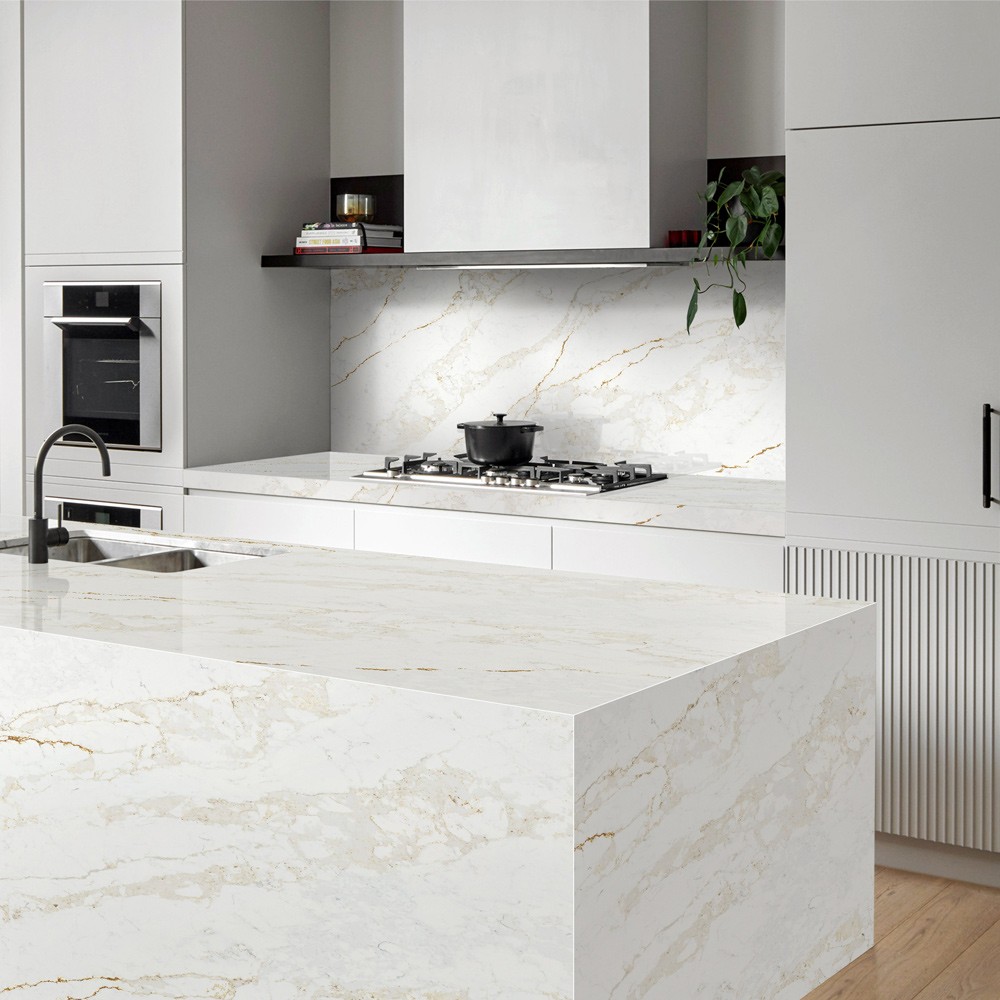
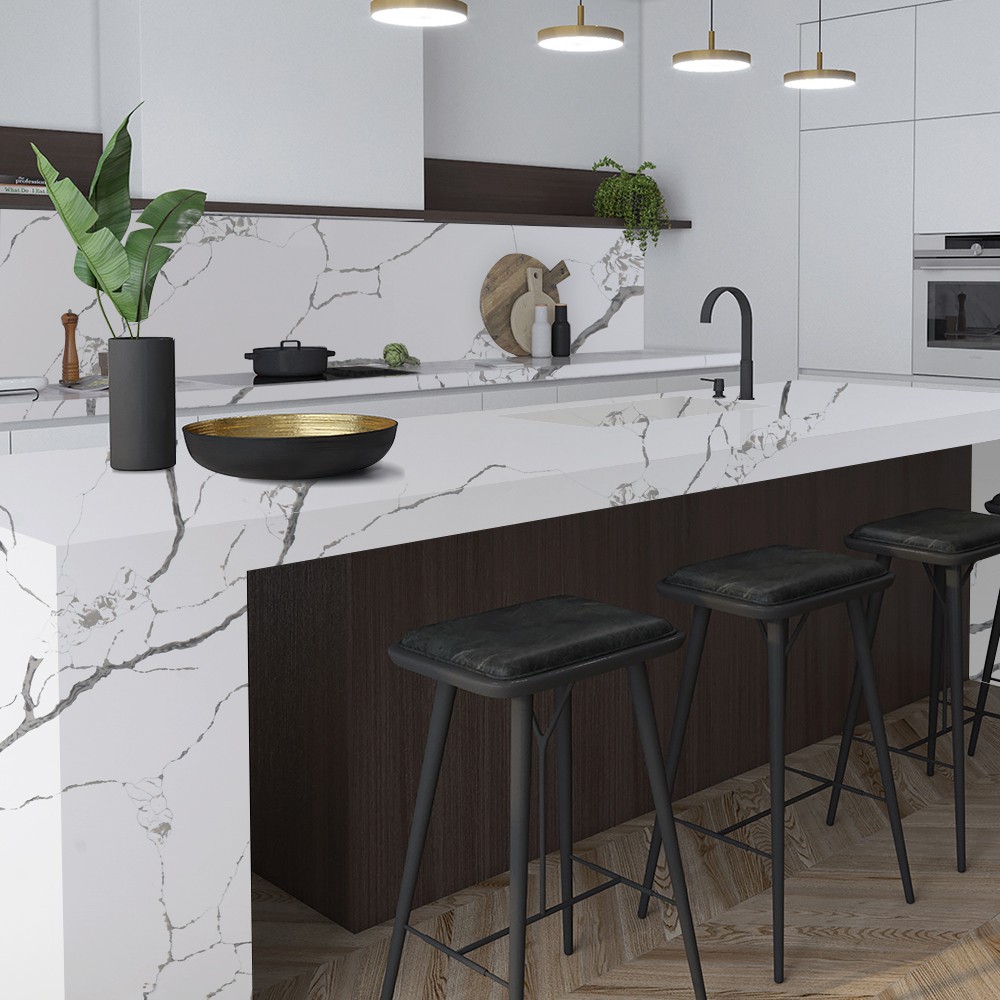
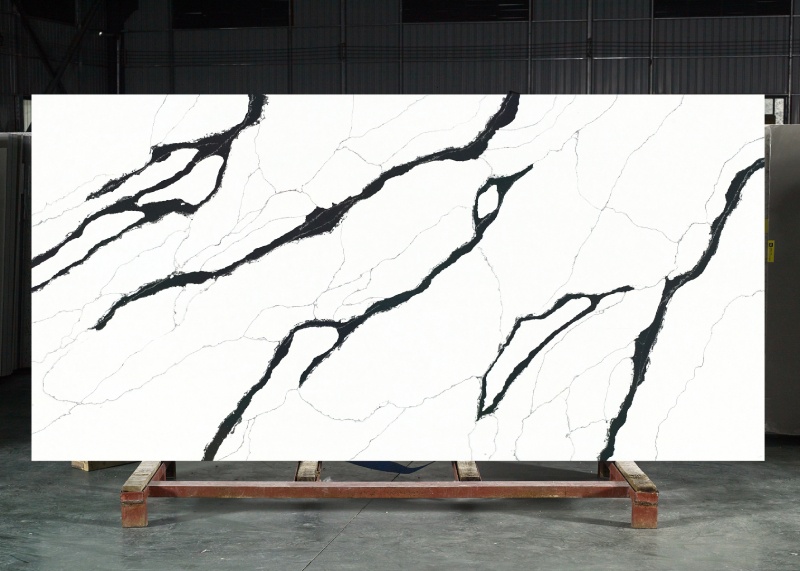
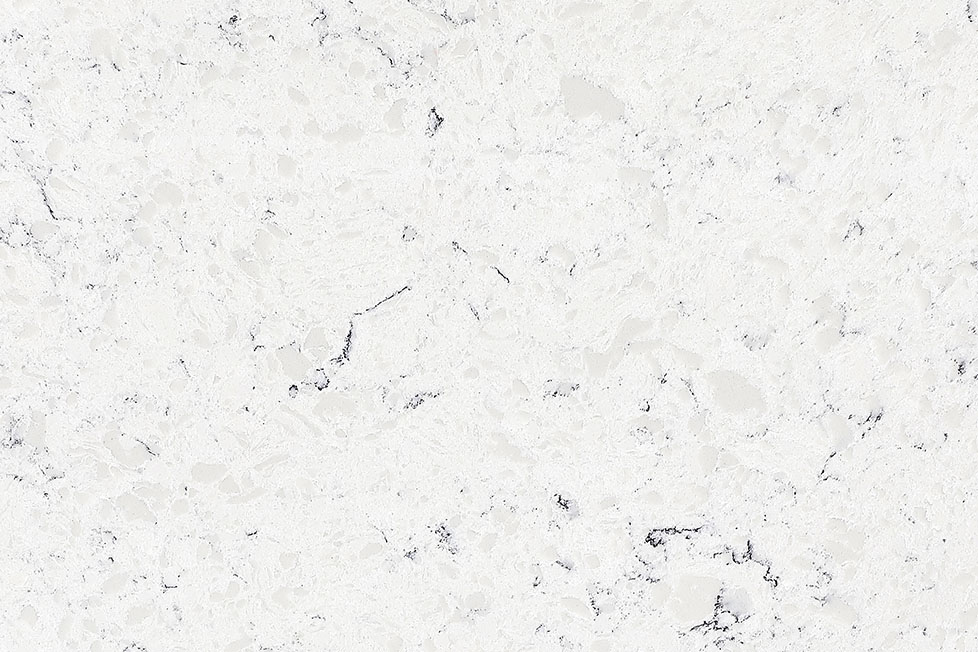
Natural quartz crystals and resin are used to create the engineered stone surfaces known as quartz countertops. This manufacturing technique produces a non-porous, very robust material that is impact, stain, and scratch resistant. Due to the large variety of hues and patterns that resemble the appearance of genuine stone, quartz countertops are renowned for their attractiveness. They are a popular option for kitchens since they are also simple to maintain and clean.
2. Quartz Countertop Heat Resistance
Quartz countertops often have some degree of heat resistance. They are resistant to damage and discoloration at mild heat. It is crucial to remember that too much heat might induce thermal shock and perhaps result in fractures or discolouration. As a result, trivets or hot pads are advised to be used when setting hot pots, pans, or other warm objects on quartz counters. This safety measure will assist safeguard the surface and preserve its spotless appearance.
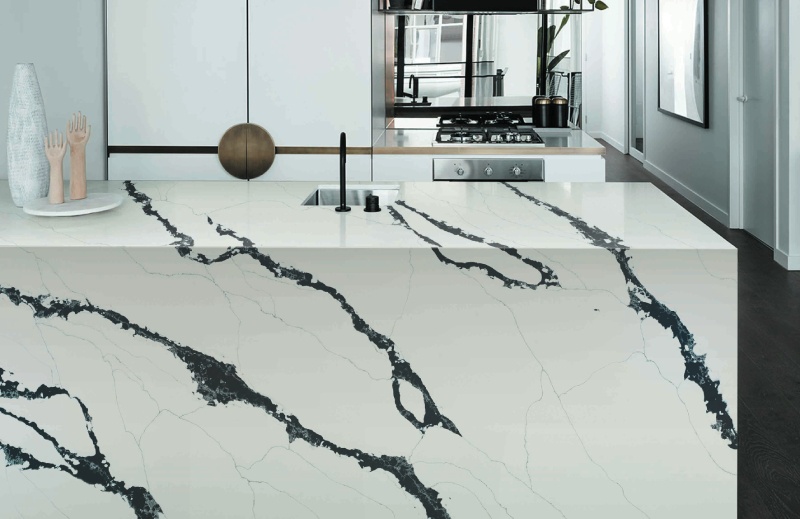
panda quartz countertops
3. Elements That Affect Heat Resistance
The heat resistance of quartz countertops can be impacted by a number of things. The quartz slab’s capacity to tolerate heat is significantly influenced by its thickness. In comparison to thinner slabs, thicker ones often offer superior heat resistance. Additionally, the countertop’s ability to withstand heat depends on the caliber of the resin used in its manufacture. More heat-resistant and less susceptible to damage from intense temperatures are high-quality resins.
4. Heat Protection for Quartz Countertops
You must take some precautions if you want to keep your quartz countertops durable and retain their heat resistance. As previously said, if placing hot things on the countertop, always use trivets or hot pads. A quartz surface should not be immediately touched by hot pans or pots from the cooktop. Use a heat-resistant pad instead, or wait until the cookware has cooled completely before setting it on the tabletop. By taking these safety measures, you can reduce the chance that your quartz countertops may sustain heat shock.
5. Maintenance and Cleaning
Advice For quartz countertops to maintain their heat resistance, proper cleaning and maintenance are essential. Avoid using scrub brushes or harsh cleansers that could damage the surface. Instead, wipe the countertop using a gentle soap or a cleaner made specifically for quartz and a delicate cloth or sponge. Spills should be cleaned up right once to avoid stains since some acidic chemicals may discolor surfaces. Regular sealing of the countertop may also improve its ability to withstand heat and safeguard it from any harm.
Generally, quartz kitchen worktops can withstand heat, but care must be taken to preserve their durability and look. Even while they can handle some heat, extreme heat can result in thermal stress and even damage. You can make sure that your quartz countertops stay heat-resistant and maintain their beauty for many years to come by utilizing trivets or hot pads, staying away from direct contact with hot items, and adhering to correct cleaning and maintenance procedures.