
 English
  Français
  Português
  Español
  العربية
  Deutsch
  日本語
日本語  한국어
한국어  Italiano
  हिन्दी
  Русский
 In the realm of interior design and home improvement, the choice of materials for countertops, vanities, and various surfaces is of paramount importance. Among the perennial debates in this arena is the comparison between artificial quartz stone slabs and natural stone, such as granite and marble. Each option has its own set of characteristics, advantages, and drawbacks, making the decision a crucial one for homeowners, designers, and architects.
This article aims to provide a comprehensive comparison between artificial quartz stone slabs and natural stone, delving into the aspects of aesthetics, durability, cost, maintenance, and environmental impact. By the end, readers will have a detailed understanding of the pros and cons of each material, helping them make an informed choice for their next design or renovation project.
Aesthetics: The Look and Feel
Natural Stone
Natural stone, with its unique veining and patterns, has long been associated with luxury and timeless beauty. Granite, marble, and other natural stones exhibit a one-of-a-kind charm, making them a favored choice for those seeking a distinctive look. The organic appearance of natural stone is often considered a work of art from nature, providing a sense of connection to the earth.
Granite, for instance, offers a rich, granular appearance with a wide range of colors, from deep blacks to speckled blues and browns. On the other hand, marble is renowned for its elegant veining patterns and soft, luminous hues, perfect for achieving a classic or upscale ambiance.
Artificial Quartz Stone Slabs
Artificial quartz slabs, often referred to as engineered or manufactured quartz, are designed to emulate the aesthetics of natural stone while providing more consistency in appearance. These slabs are made by combining approximately 90-95% crushed natural quartz crystals with resins and pigments, offering a controlled and predictable visual outcome.
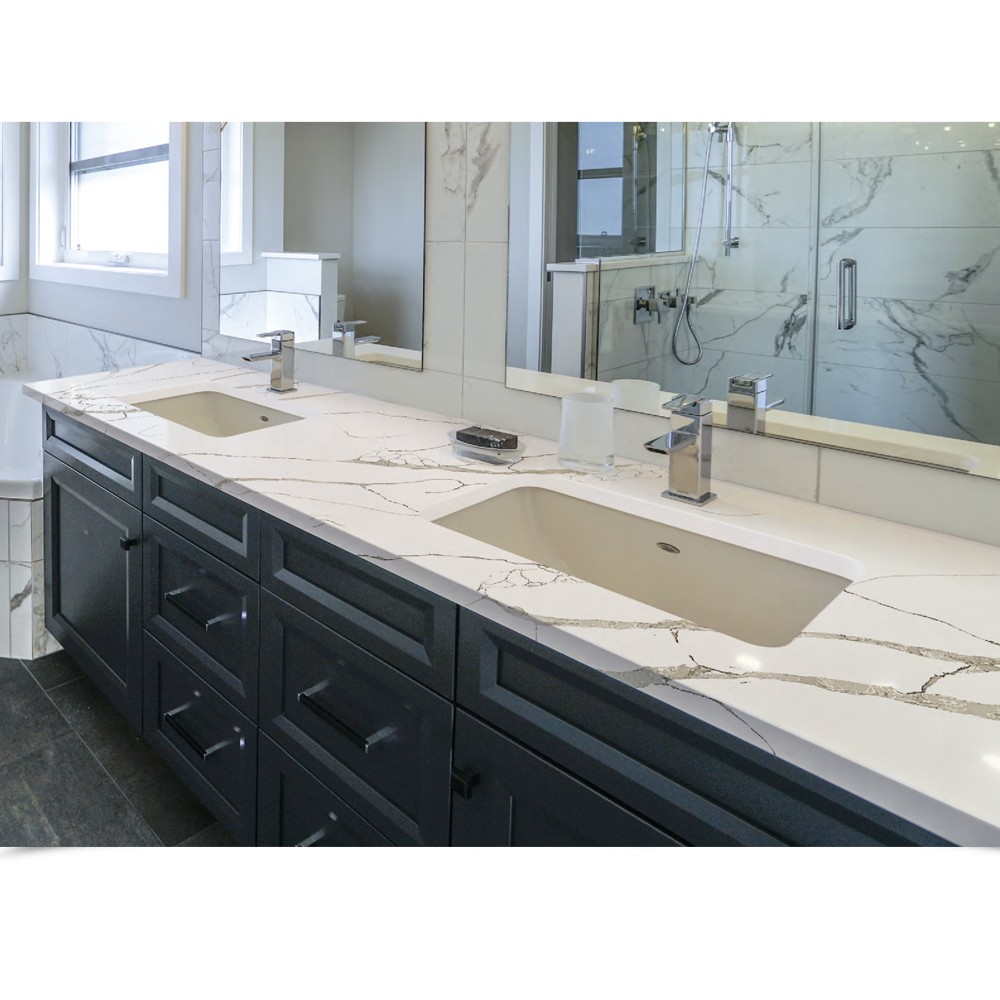
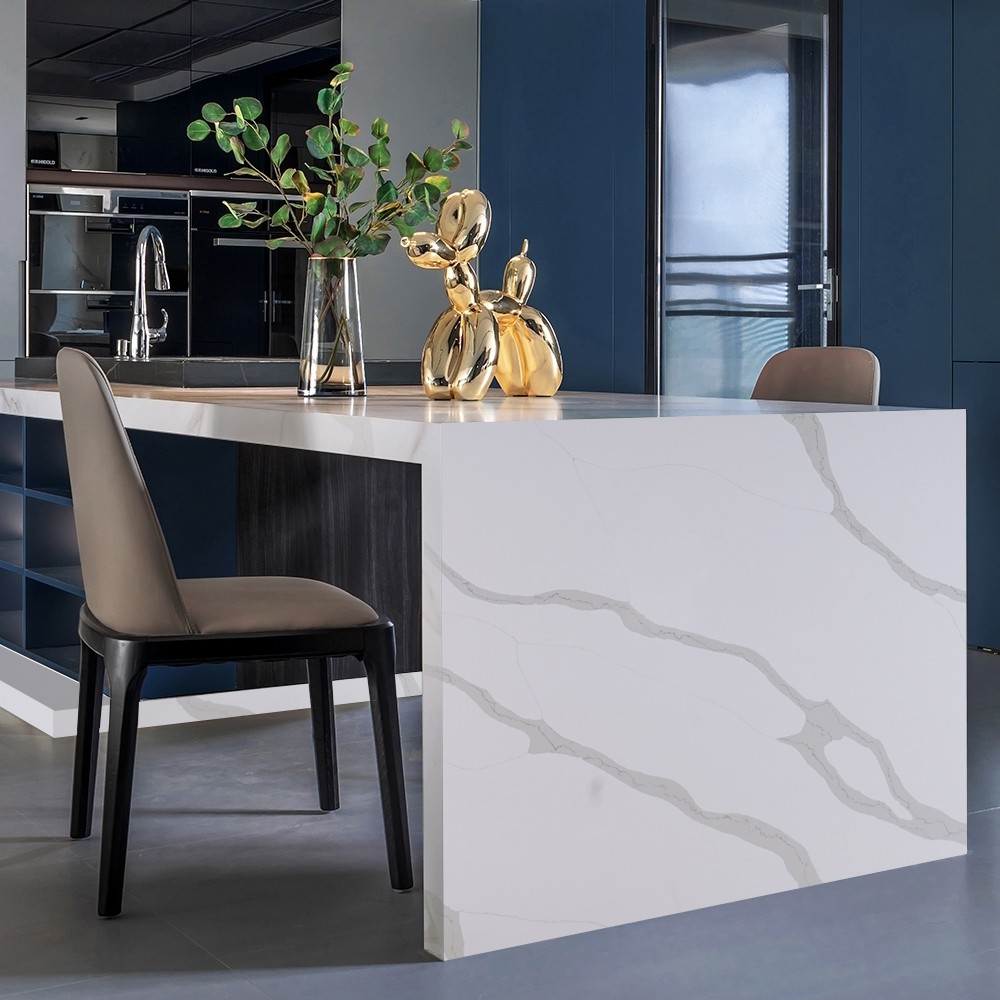
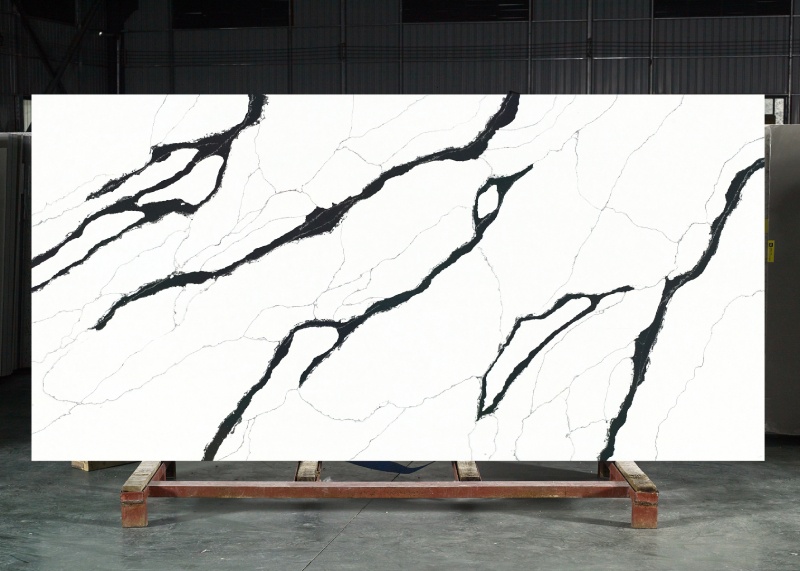
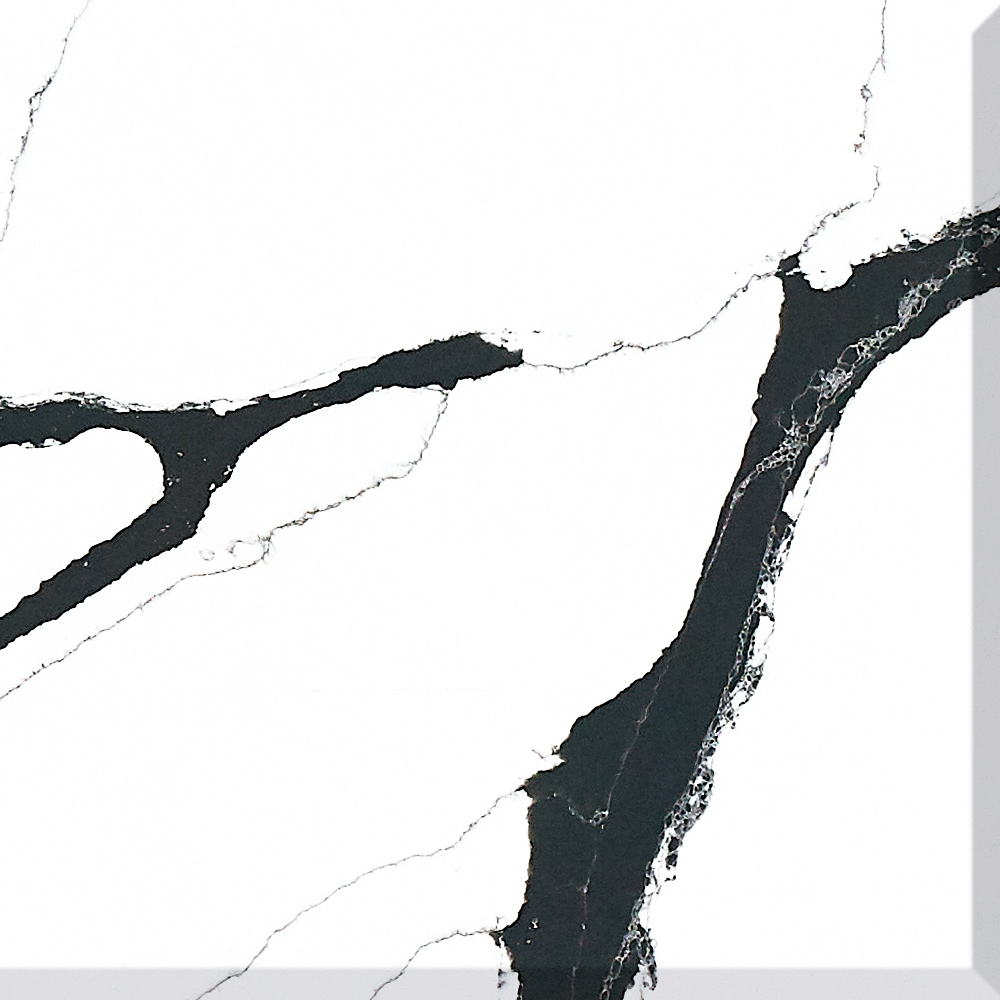
One of the key advantages of an artificial quartz stone slab is its versatility in color and design. It can be produced in a wide range of colors, from pure whites to vibrant reds and deep blacks. Additionally, the control over the manufacturing process allows for customizable veining patterns and textures, making it easier to achieve specific design goals.
Both natural stone and artificial quartz stone slab have their aesthetic merits, and the choice ultimately depends on the desired style and ambiance of the space. Natural stone provides a unique and organic look, while artificial quartz offers versatility and consistency.
Durability: Strength and Longevity
Natural Stone
Natural stones like granite and marble are renowned for their durability and longevity. Granite, in particular, is one of the hardest materials available for countertops, making it highly resistant to scratching and heat. Marble, while softer than granite, is still durable and can withstand years of use when properly maintained.
However, natural stone is not without vulnerabilities. It can be porous, which means it is susceptible to staining if not sealed regularly. Additionally, marble, in particular, is more prone to etching and scratching, which can affect its appearance over time.
Artificial Quartz Stone Slabs
Artificial quartz stone slabs are engineered to be exceptionally durable. The combination of natural quartz crystals and resins creates a dense and resilient material that is resistant to scratching, chipping, and heat. Moreover, artificial quartz is non-porous, which means it is highly resistant to staining, moisture absorption, and bacterial growth.
This non-porous nature of artificial quartz makes it a strong contender for areas with high humidity, such as bathrooms and kitchens. It also eliminates the need for regular sealing, a maintenance task associated with many natural stones.
In terms of durability and resistance to wear and tear, an artificial quartz stone slab has a clear advantage. It offers a long-lasting solution that can withstand the demands of daily life without the need for extensive maintenance.
Cost Considerations: Budget and Value
Natural Stone
Natural stone is often considered a premium material, and as such, it comes with a higher price tag. The cost of natural stone countertops can vary widely based on the type of stone, rarity, and the location of the quarry. Granite is typically more affordable than marble, but it is still considered a luxury choice.
In addition to the upfront cost, it’s important to consider the ongoing maintenance and sealing requirements, which can add to the overall expense.
Artificial Quartz Stone Slabs
Artificial quartz, while not inexpensive, is generally more budget-friendly than many natural stones. Its affordability is partly attributed to its engineered nature, which allows for more predictable pricing. Additionally, the lower maintenance requirements of artificial quartz can lead to cost savings over time, as there is no need for regular sealing or specialized cleaning products.
The cost of an artificial quartz stone slab will depend on factors like brand, color, and location, but it is often seen as a more accessible choice for those with budget constraints.
Maintenance and Care: Practical Considerations
Natural Stone
Maintaining natural stone surfaces, such as granite and marble, requires specific care. Regular sealing is necessary to protect the stone from staining and moisture penetration. Specialized cleaning products may also be recommended to avoid damage to the surface.
Natural stone is sensitive to acidic substances like lemon juice or vinegar, which can cause etching. Heat-resistant pads or trivets are recommended to protect against thermal shock from hot cookware. Periodic resealing is necessary to maintain the stone’s resistance to stains and moisture.
Artificial Quartz Stone Slabs
Artificial quartz is relatively low-maintenance. It does not require regular sealing because of its non-porous surface. Daily cleaning can be performed with a soft cloth, mild soap, and warm water. It is resistant to stains, moisture, and bacterial growth, reducing the likelihood of damage from everyday household use.
However, it’s important to avoid abrasive or acidic cleaners, as they can damage the surface. While artificial quartz is heat-resistant, it’s still advisable to use trivets or hot pads under hot cookware to prevent thermal shock.
Environmental Impact: Sustainability and Eco-Friendliness
Natural Stone
Natural stone, when sourced from local quarries and processed responsibly, can be considered a relatively sustainable choice. However, the extraction and transportation of natural stone can have a significant environmental impact, especially when stones are sourced from distant locations.
Furthermore, the energy-intensive process of cutting and finishing natural stone slabs can contribute to carbon emissions.
Artificial Quartz Stone Slabs
Artificial quartz stone slabs are designed to be more environmentally friendly. They typically contain a higher percentage of recycled content and are manufactured using energy-efficient processes. The controlled manufacturing environment also reduces waste and emissions. Moreover, the ability to create customizable designs can reduce the need for overproduction and waste.
Conclusion: Making an Informed Choice
The choice between artificial quartz stone slabs and natural stone is a significant decision that requires careful consideration. Both options have their distinct advantages and drawbacks, and the right choice depends on individual preferences, design goals, and practical considerations.
Natural stone, with its unique beauty and timeless charm, appeals to those who seek a one-of-a-kind aesthetic and are willing to invest in ongoing maintenance. Granite and marble, in particular, offer a sense of luxury and connection to the natural world that is unparalleled.
Artificial quartz, on the other hand, provides a durable and low-maintenance solution with versatility in design and color. It is often more budget-friendly and offers a consistent appearance that can be customized to suit various design styles.
In conclusion, both artificial quartz stone slabs and natural stone have their merits, and the choice should reflect your specific needs, preferences, and priorities. Regardless of your decision, each material can contribute to the creation of a beautiful and functional space, making your home a reflection of your unique style and values.