
 Deutsch
  English
  Français
  Português
  Español
  العربية
  日本語
日本語  한국어
한국어  Italiano
  हिन्दी
  Русский
 Marble and calacatta quartz are two popular building and ornamental materials, although they differ substantially in terms of look, makeup, and use. The distinctions between Calacatta quartz and marble are explained in detail by DALEI, including their formation methods, physical characteristics, availability, and maintenance needs.
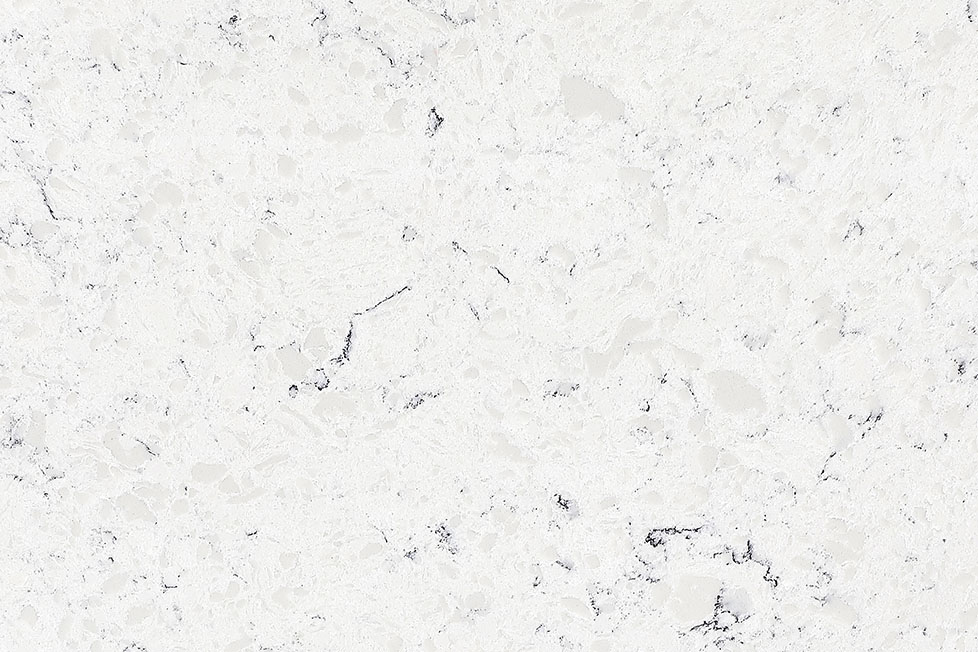
Natural quartz slivers and synthetic resin are used to create Calacatta Quartz, an artificial stone. This quartz stone is created by combining resin with natural quartz particles and putting them under intense heat and pressure. Marble is a type of natural rock that is primarily made up of calcium carbonate crystals and was created by the intense pressure and heat present in the earth’s crust.
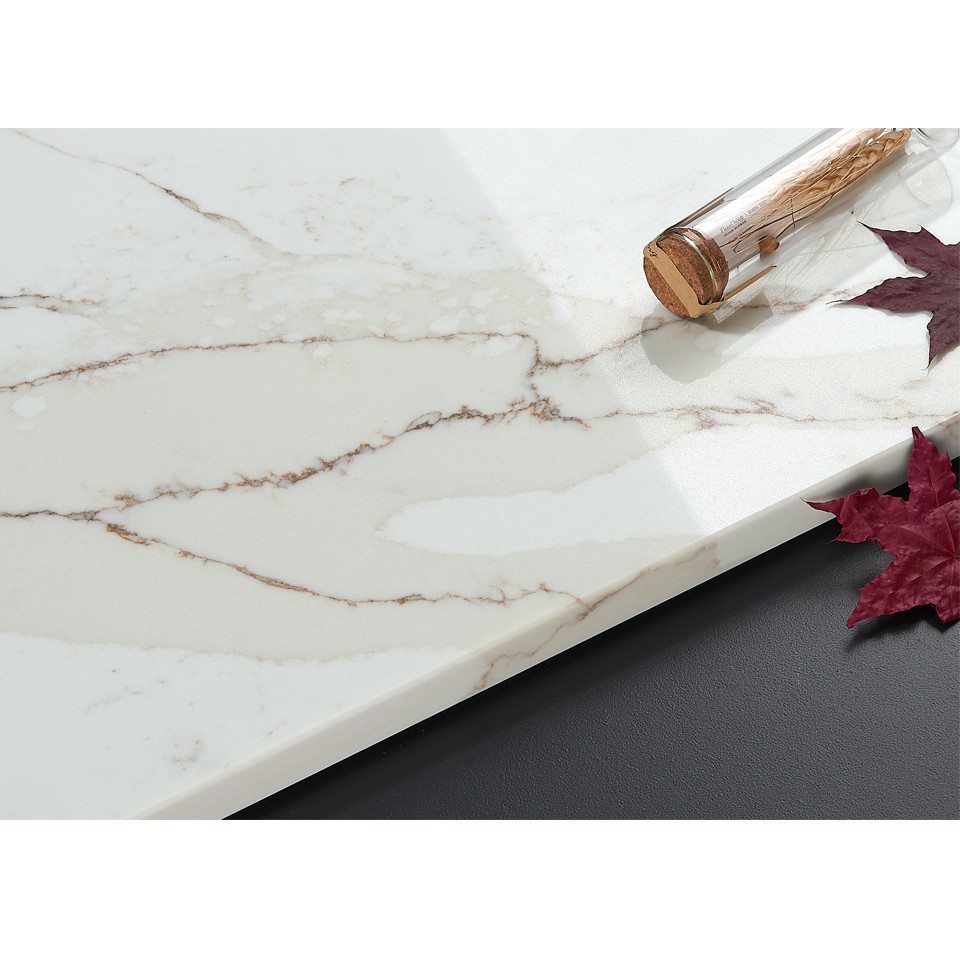
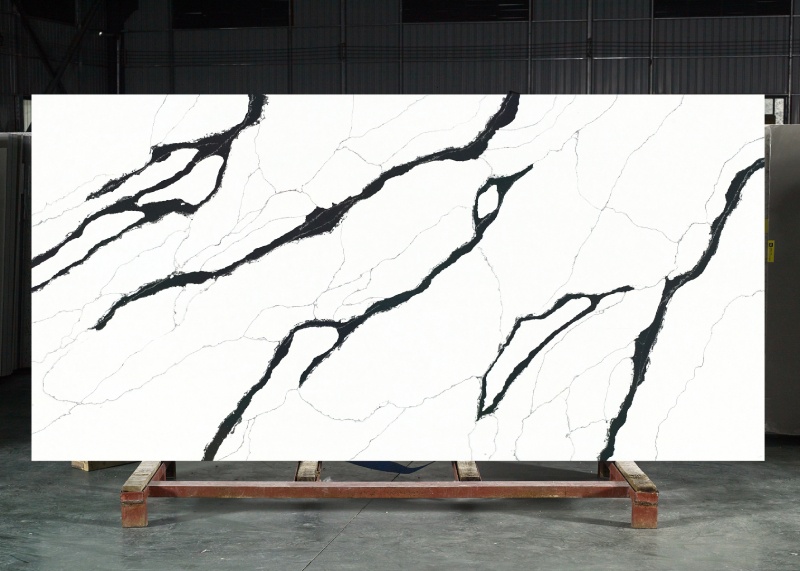
Calacatta-Quarz has a consistent look, and the pigments and resins employed are largely responsible for its hue. It frequently comes in vivid, rich hues like white, gray, and beige. Marble, in contrast, has natural veins and colors that give each piece of marble a unique appearance. It can be found in a range of hues and materials, such as white, black, grey, pink, and green.
Physical characteristics: Compared to marble, calacatta quartz is more resistant to heat, chemicals, and abrasion. It is resistant to scuffs and breaking because to its strong compressive strength and hardness. Additionally, Calacatta Quartz’s surface is typically non-porous, making it resistant to stains and moisture. Marble’s surface needs to be sealed frequently to stop penetration and stains because it is rather soft and prone to scratches and wear.

Moderne Wand- und Bodenfliesen aus Calacatta-Goldmarmor
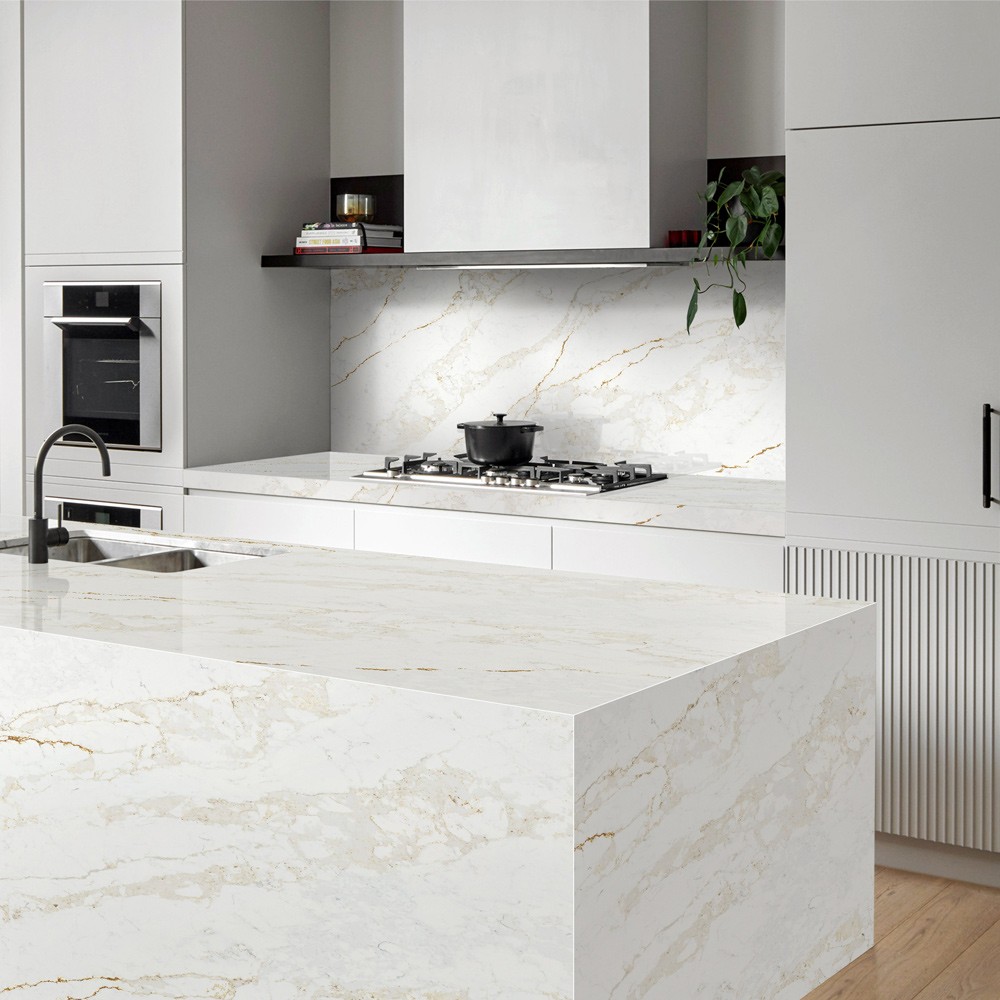
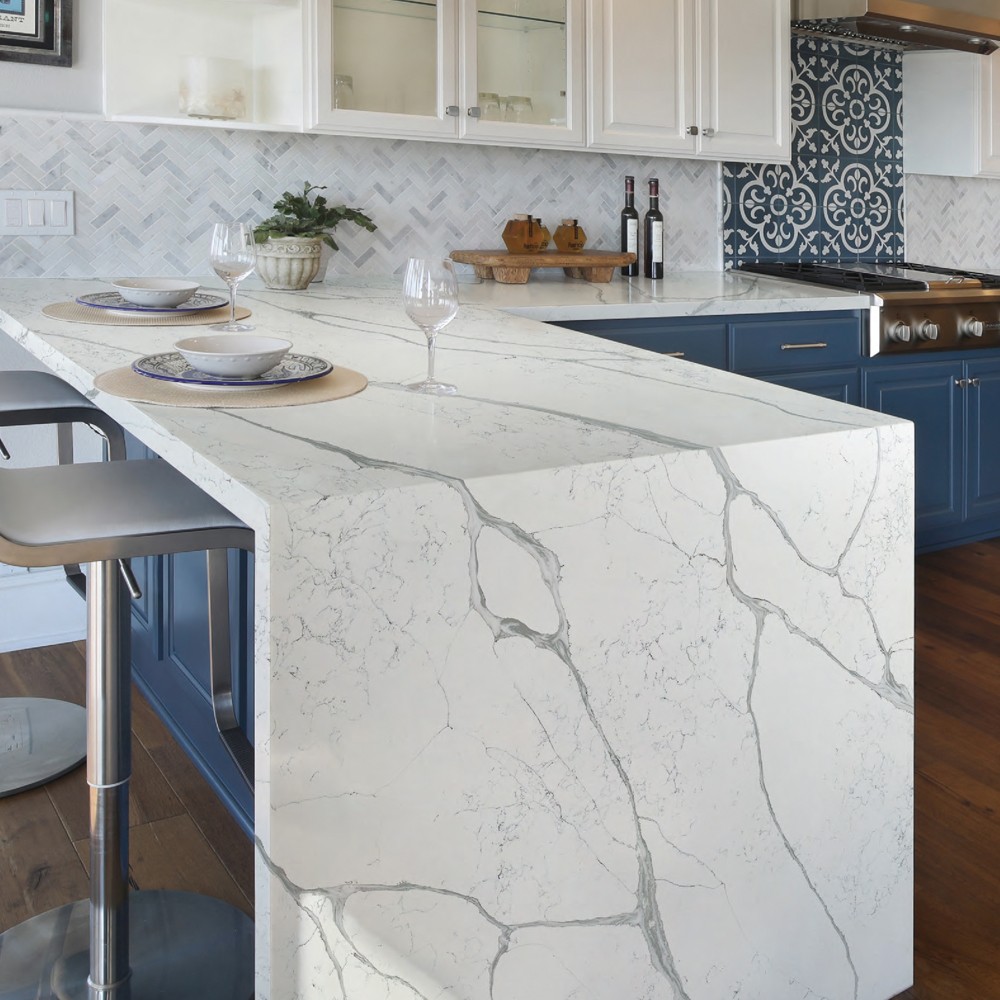
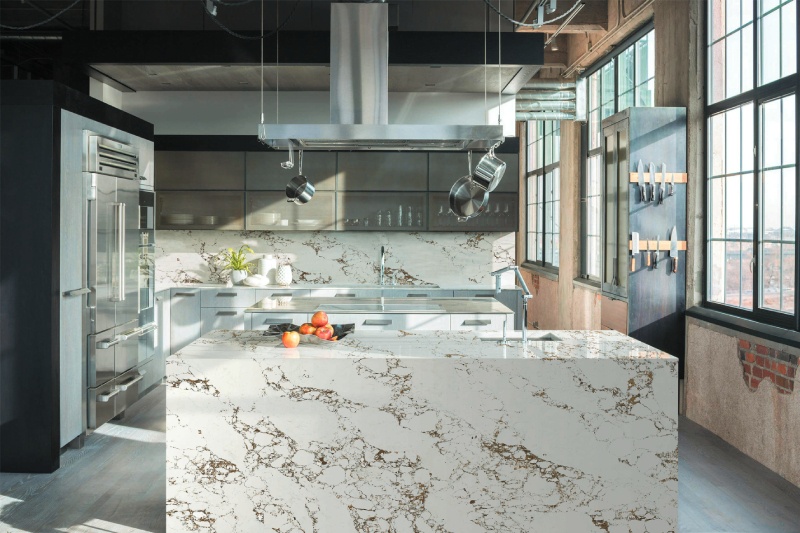
Calacatta Quartz is more durable than marble because of its superior hardness and wear resistance. Because Calacatta Quartz resists wear and damage, it can be used in high-pressure and high-traffic areas like kitchen counters and floors. Marble is better suited for low-traffic and low-pressure locations like bathroom floors and fireplace surrounds because it is somewhat soft and prone to scratches and fracture.
Availability: Since Calacatta Quartz is a manufactured substance, there are more variations for colors and textures. Particle size, color, and pattern can all be altered by manufacturers to satisfy various design specifications. The natural production process of marble determines its appearance and color, thus the options are limited.
Maintenance requirements: Cleaning and maintaining Calacatta Quartz is not very difficult. Its surface can be cleaned with common detergents and is less likely to attract stains and bacteria. Avoid using acidic cleansers on marble’s surface as they might harm the surface, and maintain it more carefully. In addition, marble’s porous nature makes it vulnerable to stains and penetration, necessitating routine sealing and safety measures.
Calacatta Quartz and Marble differ significantly from one another in terms of formation process, appearance, physical characteristics, durability, usability, and maintenance needs. For high flow and high pressure situations, Calacatta Quartz is a man-made material with a consistent look, high hardness, and endurance. Marble is a naturally occurring rock with a distinctive texture and color. However, due to its relative softness and maintenance requirements, it is best suited for low-traffic and low-pressure locations. Selecting the right materials will enable you to produce the optimum decorative impact in accordance with the usage and unique design requirements.