
 Español
  English
  Français
  Português
  العربية
  Deutsch
  日本語
日本語  한국어
한국어  Italiano
  हिन्दी
  Русский
 La pregunta sobre si las encimeras de granito o cuarzo son más atractivas estéticamente ha sido debatida durante mucho tiempo. A pesar de que son dos de las opciones más populares para encimeras en cocinas y baños, ambos materiales ofrecen beneficios diferentes y un atractivo visual completamente propio. Tras comprender las sutilezas de cada uno, estarás mejor preparado para hacer una selección informada que se adapte a tus intereses y necesidades.

Granito: La elegancia atemporal
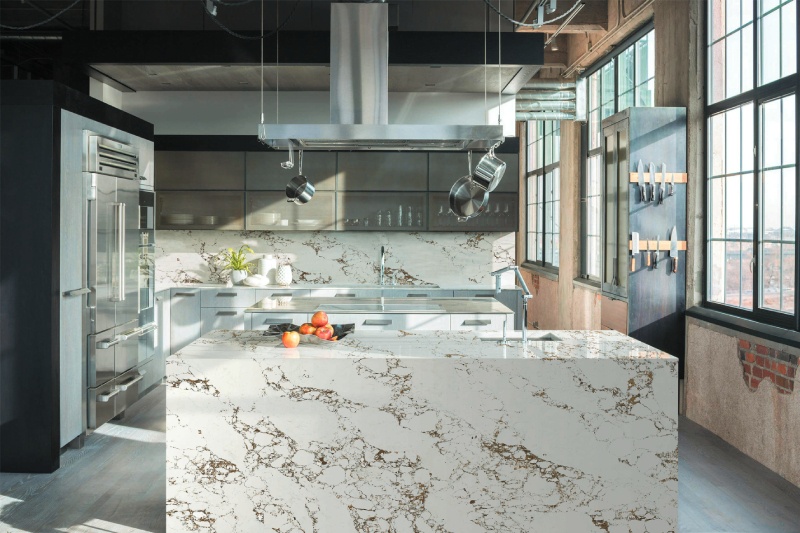
El granito es un tipo particular de piedra natural que se forma profundamente bajo la corteza terrestre, lo que le confiere un aspecto distintivo y diverso. Esto se debe a que los minerales y pigmentos presentes durante el desarrollo del granito dan lugar a una amplia variedad de colores y patrones, lo que significa que no hay dos losas de granito exactamente iguales. En consecuencia, tendrás una encimera que irradia un encanto innegable, llevando así el esplendor de la naturaleza a tu hogar. Las vetas y motas naturales del granito tienen la capacidad de aportar profundidad y carácter al material, convirtiéndolo en una opción popular entre quienes buscan un toque de elegancia clásica.
El granito tiene las siguientes ventajas:
La creación natural del granito asegura que cada losa sea única, lo que añade un toque distintivo a tu cocina o baño. El granito fue elegido por su apariencia debido a su aspecto único.
El granito es un material muy resistente al calor, lo que lo convierte en una excelente opción para usar en cocinas donde se colocan habitualmente ollas y sartenes calientes sobre la encimera.
El granito es un material reconocido por su fortaleza y resistencia, lo que lo convierte en una opción duradera para hogares que están siempre en movimiento.
Aumenta el valor Las encimeras de granito suelen considerarse una mejora y tienen el potencial de incrementar el valor de tu propiedad, especialmente si deseas venderla en un futuro cercano.
Características únicas del granito:
Variaciones naturales Debido a que el granito se forma de manera natural, ninguna dos losas son exactamente iguales. Además, el patrón y el color de tu encimera podrían diferir de la muestra que seleccionas.
Debido a que el granito es un material poroso, es necesario sellarlo para evitar manchas y grabados causados por productos químicos ácidos.
El granito tiene una ventaja significativa de peso respecto al cuarzo, lo que puede afectar el precio de instalación y envío.
Las encimeras de granito pueden ser más caras que las de cuarzo, dependiendo de la calidad y rareza de la piedra. Las encimeras de cuarzo son más asequibles.
Cuarzo, la elegancia de la calidad ingenieril
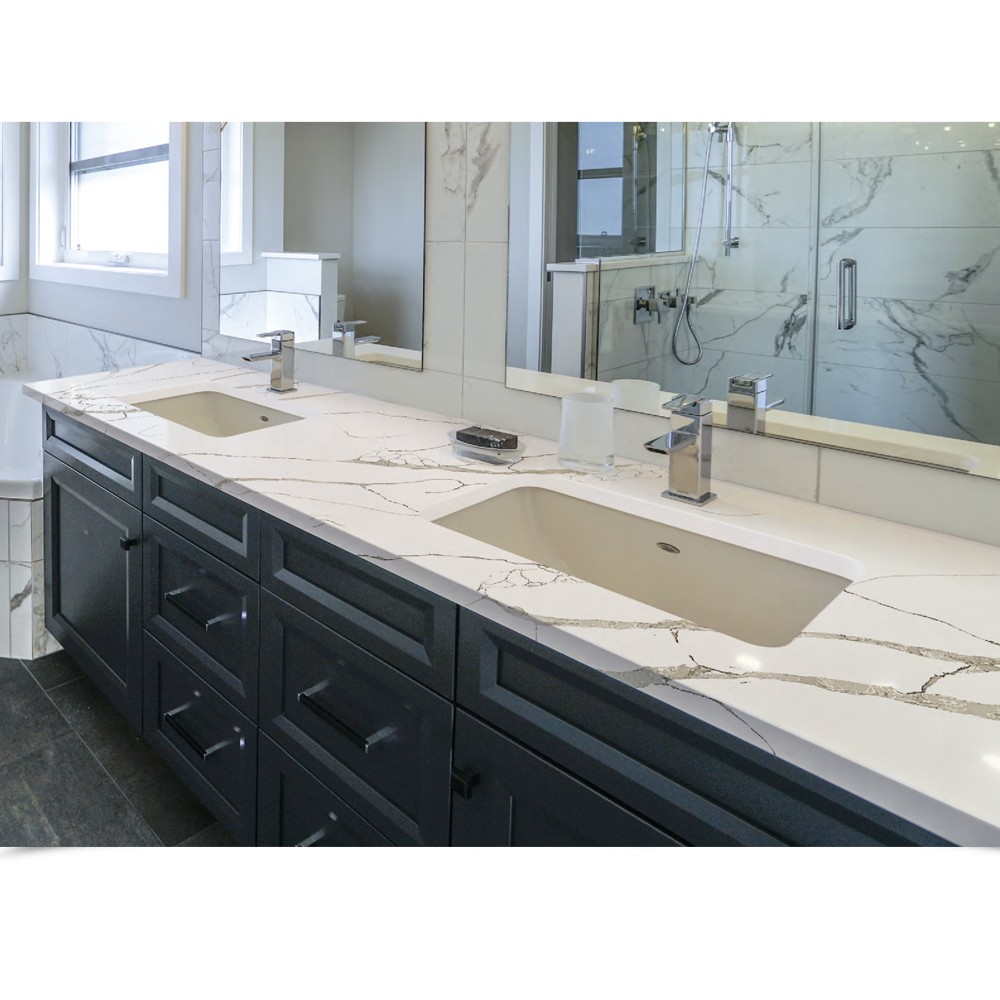
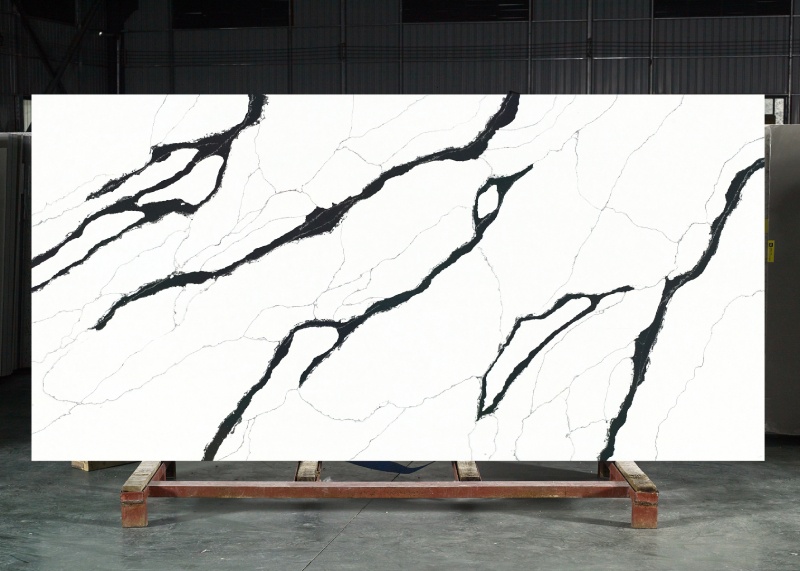
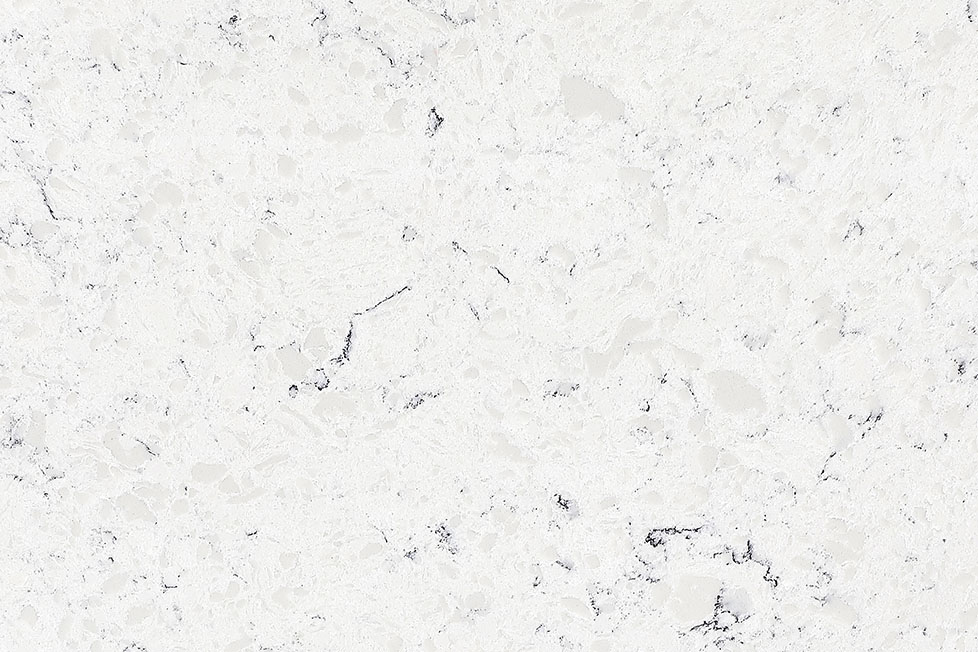
Por otro lado, las encimeras de cuarzo se fabrican combinando cuarzo triturado con resina y pigmentos para crear la superficie deseada. El uso de este material permite generar una mayor variedad de colores y patrones, incluyendo tonalidades sólidas y diseños más constantes que los encontrados en piedra auténtica. Las encimeras de cuarzo suelen tener un aspecto uniforme, razón por la cual son populares entre quienes buscan looks más contemporáneos o minimalistas.
Cuarzo: La elegancia ingenieril
Las encimeras de cuarzo tienen un aspecto uniforme, lo que simplifica la combinación con diversos elementos y permite crear un diseño cohesivo en tu cocina o baño. Las encimeras de cuarzo están disponibles en una variedad de colores y patrones.
Superficie no porosa La resina utilizada en la producción de encimeras de cuarzo crea una superficie no porosa y resistente a manchas y gérmenes. Esto hace que la superficie sea fácil de limpiar y mantener.
Personalización: Como el cuarzo es un material manufacturado, puede adaptarse para lograr cierto aspecto, como mármol o granito, sin las diferencias inherentes presentes en la piedra natural.
Las encimeras de cuarzo son una opción ideal para áreas de alto tráfico gracias a su durabilidad, que incluye resistencia a arañazos, astillas y daños por calor. Las encimeras de cuarzo también son resistentes a daños por calor.

Características que distinguen al cuarzo:
Aspecto uniforme: Aunque el aspecto uniforme del cuarzo es una ventaja para muchas personas, las diferencias naturales que se pueden observar en el granito pueden resultar más atractivas para ciertos individuos.
Resistencia al calor: Debido a que el cuarzo es susceptible a daños cuando se expone a altas temperaturas, es fundamental proteger la superficie usando posavasos o almohadillas térmicas.
El cuarzo suele ser más caro que los productos de granito considerados de menor calidad, aunque puede ser más económico que el granito de alta gama.
Particularidades del cuarzo:
Al final, tu elección personal es el factor más importante a considerar al comparar las cualidades estéticas del granito y el cuarzo. Algunos propietarios prefieren el granito por su belleza única y natural, mientras que otros optan por el cuarzo debido a su uniformidad y las numerosas opciones de personalización que ofrece.
El granito es ligeramente más resistente al calor que el cuarzo, que tiene una superficie no porosa más fácil de limpiar y mantener. Ambos materiales ofrecen un gran rendimiento en términos de durabilidad y mantenimiento. El granito es algo más resistente al calor que el cuarzo. El granito es más propenso a mancharse y requiere sellado regular, mientras que el cuarzo es resistente a manchas y no necesita sellado. Ambos materiales son susceptibles a daños cuando se exponen a altas temperaturas; sin embargo, el granito se mancha con mayor frecuencia que el cuarzo.
En última instancia, la decisión entre encimeras de granito y cuarzo está determinada por tus preferencias en cuanto al diseño, tu presupuesto y la forma en que vives. El granito, con su elegancia clásica, y el cuarzo, con su sofisticación ingenieril, son dos materiales que tienen el potencial de realzar la belleza y el valor de tu casa sin sacrificar ninguno de ellos.
No hay un ganador evidente en cuanto a belleza en la disputa entre granito y cuarzo; al final, todo se reduce a la opinión personal. Las variaciones inherentes y los patrones únicos del granito le otorgan un encanto perdurable, mientras que la uniformidad del cuarzo y la variedad de opciones de personalización que ofrece son más adecuadas para las preferencias contemporáneas. Ambos materiales son extremadamente duraderos y tienen el potencial de mejorar la estética de tu cocina o baño; por lo tanto, la decisión debería basarse en cuál se alinea más con tus propias preferencias y estilo de vida.
Tanto el granito como el cuarzo son excelentes alternativas para encimeras en todas las habitaciones de tu hogar, ya que pueden agregar belleza y valor a tu propiedad independientemente del material que elijas para tus encimeras. Al final, el método más efectivo para elegir entre ambos es ver muestras en persona y reflexionar sobre cómo cada alternativa se alinea con tu visión y requisitos generales de diseño.