
 हिन्दी
  English
  Français
  Português
  Español
  العربية
  Deutsch
  日本語
日本語  한국어
한국어  Italiano
  Русский
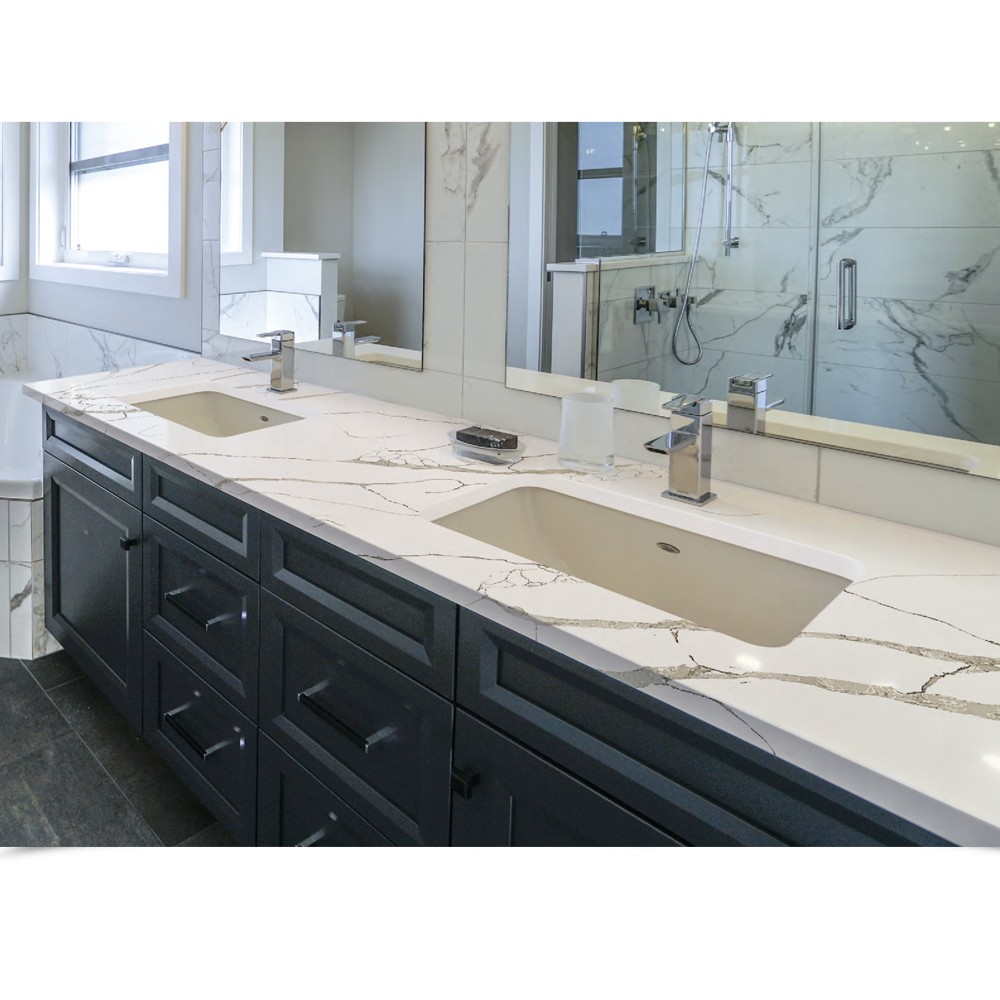
 There are several alternatives available when it comes to selecting a bathroom countertop material. Bathroom countertops made of quartz are thoroughly compared to other common countertop materials by DALEI. We will obtain a complete grasp of how quartz compares to other materials by looking at aspects including durability, upkeep requirements, beauty, pricing, environmental impact, and suitability for bathroom situations.
Bathroom quartz countertops are incredibly durable, rivaling other countertop materials in this regard. Natural quartz crystals and resin binders make up quartz’s composition, which produces a very robust surface that can resist the demands of frequent bathroom use. Quartz is more resistant to chips, scratches, and heat damage than materials like laminate or wood, resulting in a longer lifespan and less frequent need for maintenance or replacement.
Quartz bathroom countertops have the advantage of requiring less care than a number of other materials. Quartz countertops don’t need to be sealed on a regular basis or subjected to additional upkeep, unlike genuine stone worktops like granite or marble. Since it is non-porous, stains, bacteria, and mold cannot develop on it. Usually, routine cleaning with mild soap and water is enough to keep the surface hygienic and clean.
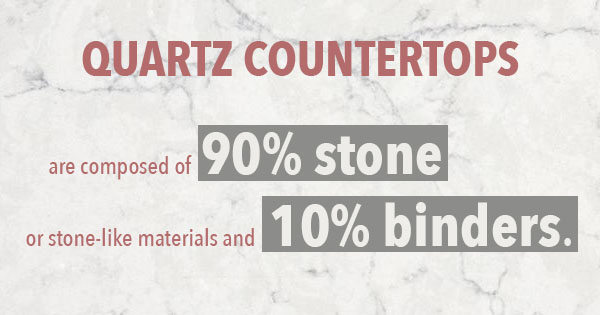
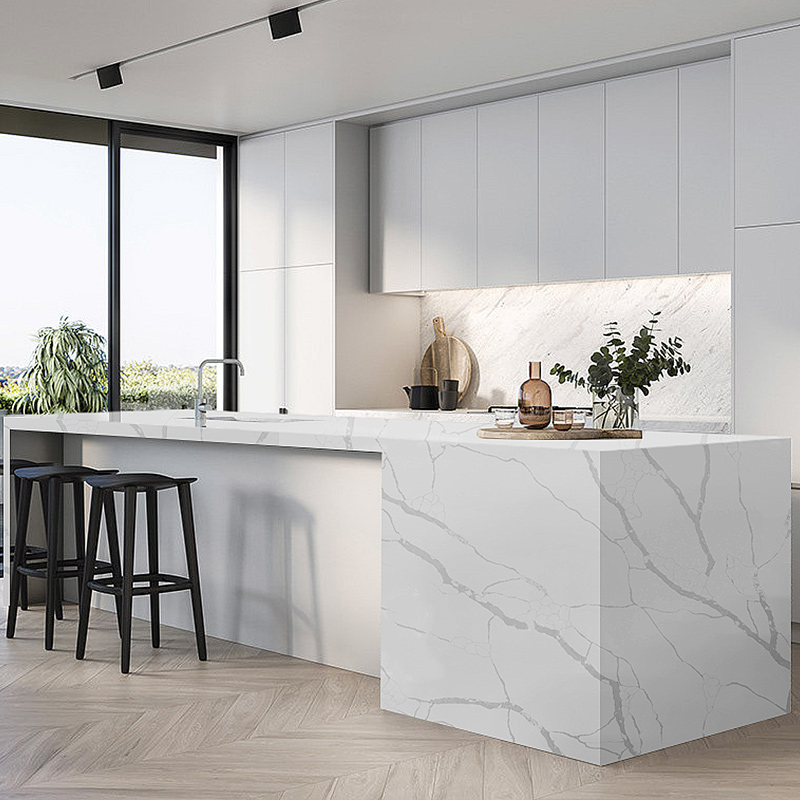
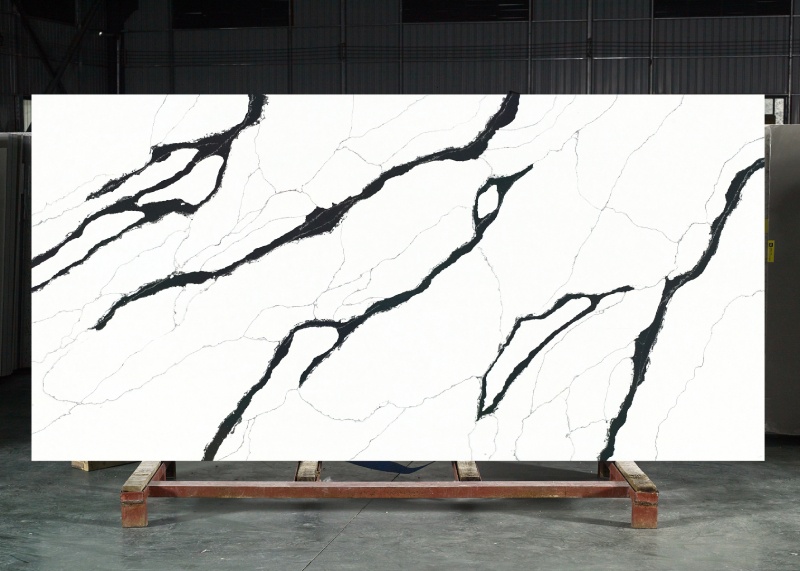
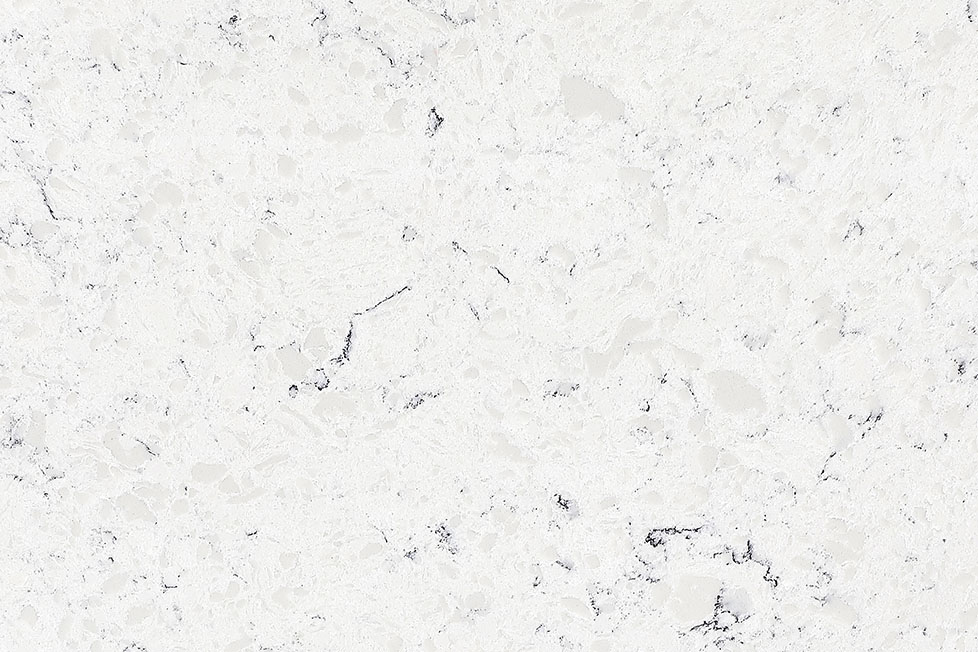
Bathroom countertops made of quartz offer a wide variety of aesthetic and design alternatives. Quartz can approximate the appearance of these stones while offering a more constant and uniform look, but natural stone selections like granite and marble give distinctive and varied patterns. Moreover, quartz provides a wider range of color options, enabling homeowners to select the ideal complement to their preferred bathroom decor, whether it be contemporary, traditional, or minimalist.
Cost considerations: When compared to other materials, quartz bathroom countertops have a mid-to-high price range. Although it can cost more than laminate or tile worktops, natural stone options like granite or marble are typically more affordable. Quartz can deliver a good return on investment because of its endurance and resistance to wear and tear, but it is crucial to take these factors into account.
Environmental Impact: Quartz bathroom countertops have a lower environmental impact than some other materials. Natural quartz and resin binders are used to create quartz, a manufactured stone. Although energy is consumed during the manufacturing process, reputable manufacturers are embracing sustainable methods and lowering the production’s carbon footprint. Quartz countertops’ resilience and lifespan also lessen the need for regular replacements, which reduces waste over time.
Bathroom environments: Quartz bathroom countertops are a good choice for bathrooms because of its natural qualities. A hygienic environment is ensured by their non-porous nature, which makes them resistant to water damage, moisture absorption, and the growth of mold or germs. Because of its heat resistance, quartz is also appropriate for bathroom applications where hot styling tools or objects might come into contact with the countertop surface.
With Regard to Other Countertop Materials:
1. Granite: Although granite has distinctive patterns and a natural beauty, it needs frequent sealing and upkeep. In terms of toughness, stain resistance, and upkeep simplicity, quartz beats granite.
2. Laminate: Though inexpensive, laminate countertops can be vulnerable to dents, spills, and water damage. In terms of sturdiness, heat resistance, and overall longevity, quartz trumps laminate.
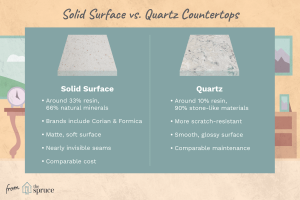
3. Solid Surface: Compared to quartz, solid surface materials like Corian may be more prone to heat damage and scratches. However, they offer a seamless appearance.
4 .Marble: While marble worktops are elegant, they are more susceptible to discoloration and need to be sealed frequently. Quartz offers comparable beauty while being more stain resistant and requiring less upkeep.
5. Tile: Tile countertops provide creative flexibility but may have grout lines that are more difficult to maintain. Quartz offers a smooth surface that is more bacterial and stain resistant.
It is clear from a comparison of quartz bathroom countertops to different countertop materials that quartz has several advantages. It is an attractive alternative due to its great longevity, low maintenance needs, variety of design options, resistance to stains and bacteria, heat resistance, and suitable for bathroom situations. Quartz has a higher initial cost than certain alternatives, but its long-term value and attractive appearance make it a wise investment. People may have a long-lasting, gorgeous, and low-maintenance surface that improves the usability and appearance of their bathroom by selecting a quartz bathroom countertop.