
 हिन्दी
  English
  Français
  Português
  Español
  العربية
  Deutsch
  日本語
日本語  한국어
한국어  Italiano
  Русский
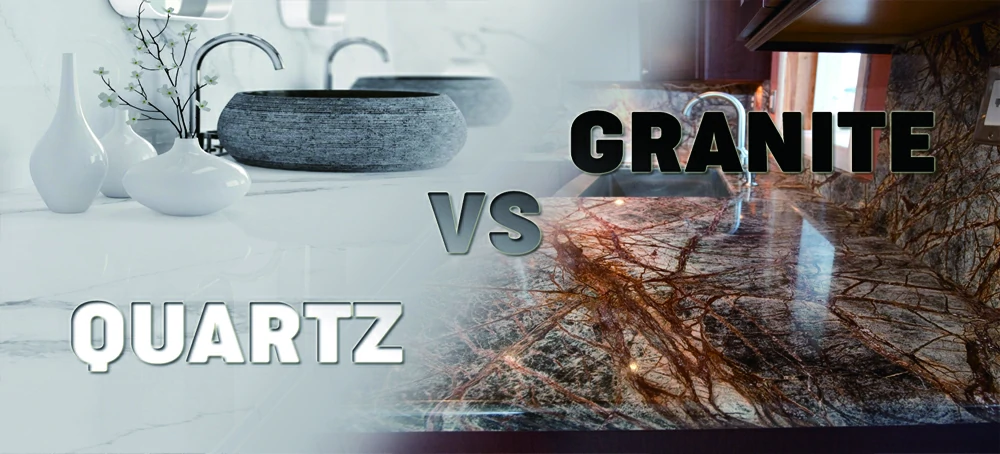
 When it comes to kitchen countertops, two popular options that often come up are quartz and granite. Both materials have unique properties and benefits, so choosing between them comes down to personal preference and specific needs. Here we will explore the topic of whether quartz countertops are better than granite countertops. We provide a comprehensive comparison of their respective properties, durability, maintenance requirements, aesthetics and environmental impact. Let you have some understanding of them all before making an informed decision.
What are quartz and granite?
Granite is a very hard stone and 100% natural. It is mined from quarries around the world, cut to manageable sizes, and polished to a beautiful finish. Quartz is slightly different in that it is not 100% natural. Instead, the countertops are manufactured using 95% natural quartz powder and 5% polymer resin.
Now that you know the basics of quartz and granite, let’s look at how they compare in various ways.

1. Durability:
Both quartz and granite countertops are known for their durability, but they differ in composition, which increases their strength. Granite is a natural stone that is mined and cut into slabs, while quartz countertops are designed using a combination of natural quartz crystals, resins, and pigments. Quartz countertops are designed to be highly resistant to scratches, stains, and heat. Granite, on the other hand, is also durable but may require occasional sealing to maintain its stain resistance.
2. Maintenance and maintenance:
Quartz countertops have a non-porous surface, which means they are highly stain-resistant and do not require sealing. They are also easy to clean with mild soap and water. Granite countertops, while generally stain-resistant, are more porous and may require periodic sealing to prevent liquids from penetrating the surface. Regular cleaning with a non-abrasive cleaner is recommended to maintain the shine of your granite countertops.
3. Beauty and diversity:
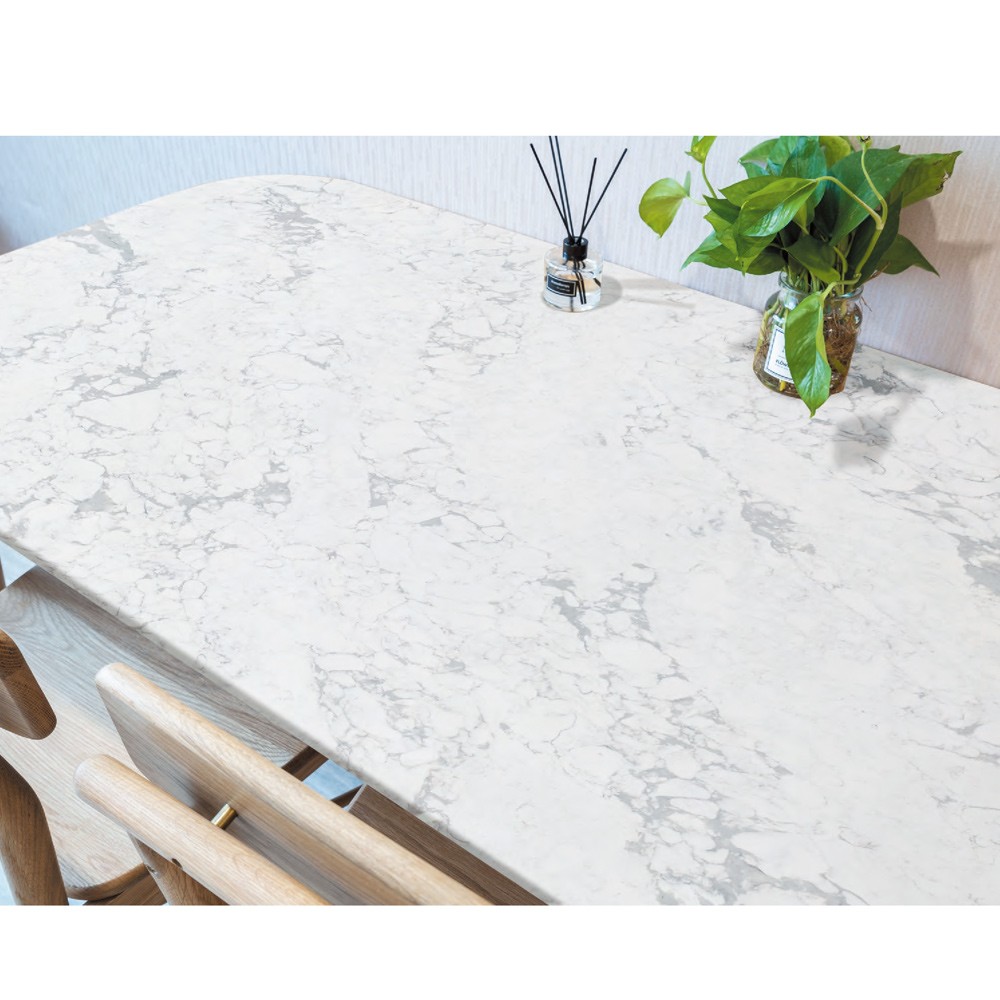
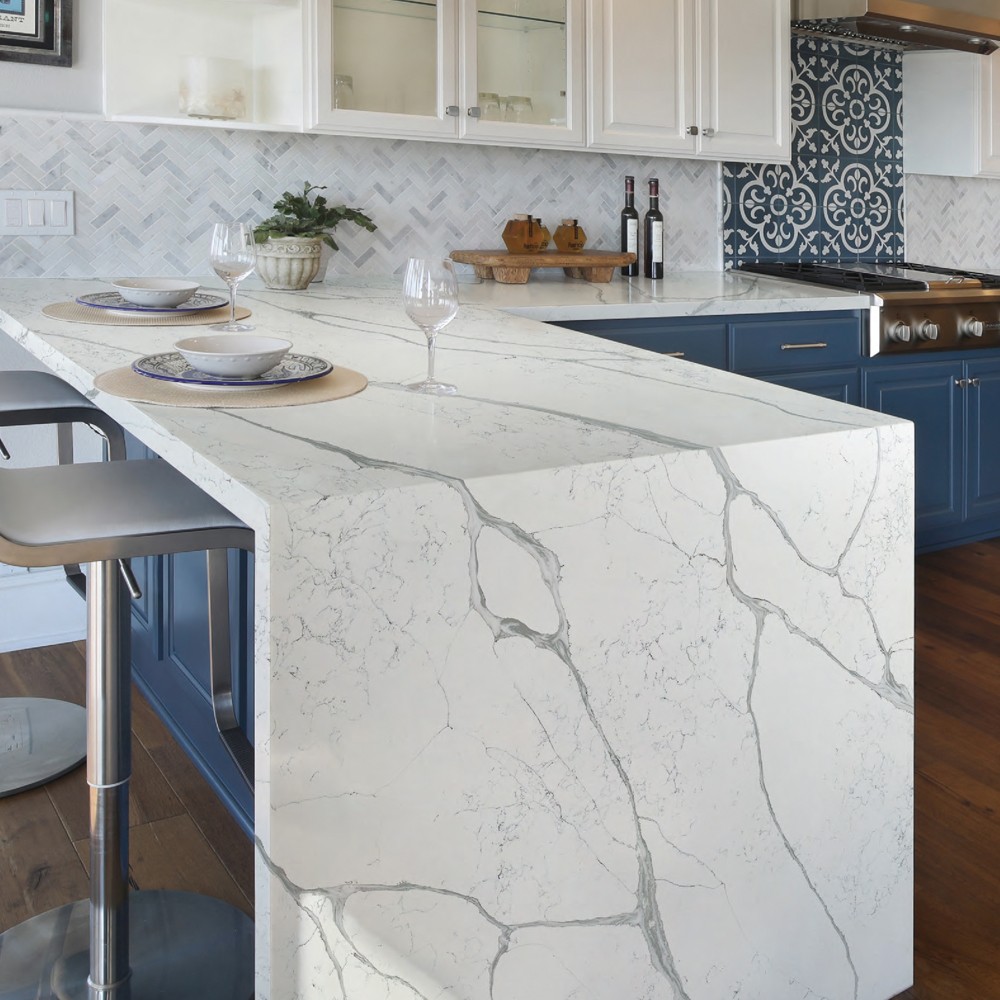
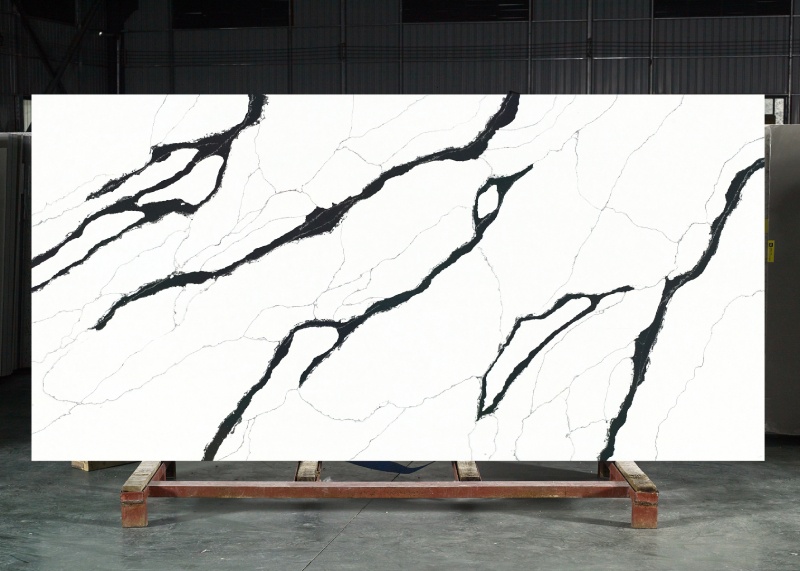
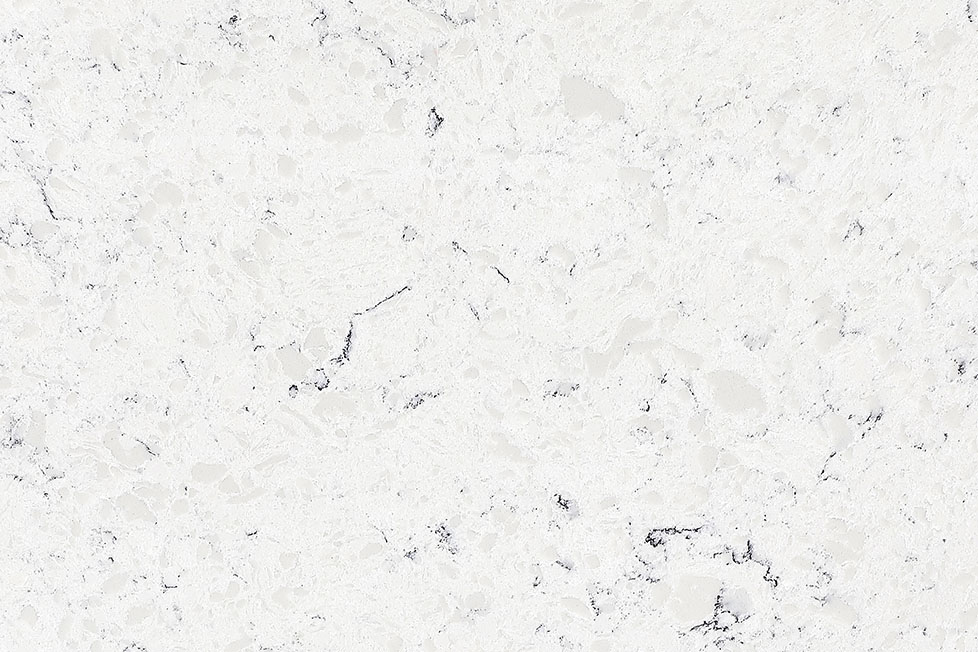
Granite countertops have a natural beauty, with unique patterns and color variations formed by geological processes. Each granite slab is unique, bringing a sense of personality to the countertop. Engineered quartz countertops can replicate the look of natural stone but provide a more consistent and unified look. They are available in a variety of colors and patterns, providing a variety of design options.
4. Environmental protection considerations:
From an environmental standpoint, both quartz and granite countertops have their pros and cons. Granite is a natural resource extracted from the earth and requires mining and transportation. However, granite’s abundance and longevity make it a sustainable choice. Quartz countertops, while engineered, usually contain a percentage of natural quartz, but they also contain resins and pigments. The manufacturing process of quartz countertops requires energy and resources. However, some manufacturers are working to use recycled materials in production to reduce their environmental impact.
5. Cost:
The cost of quartz and granite countertops can vary depending on factors such as quality, color, thickness, and location. Generally speaking, quartz countertops tend to be more expensive than granite countertops due to the engineering process involved. However, high-end granite varieties and rare colors may also come with higher prices. When making a decision, it’s important to consider your budget and weigh it against the quality and aesthetics you want.
As you can see from the comparison above, the choice between quartz and granite countertops ultimately comes down to your personal preferences, lifestyle, and specific needs. Quartz countertops offer exceptional durability, low maintenance, and a variety of design options. They are highly resistant to stains, scratches and heat. Granite countertops, on the other hand, offer natural beauty, unique patterns, and a sense of personality. They require regular sealing and may require more maintenance. Consider factors such as durability, maintenance, aesthetics, environmental impact and cost to determine which material best meets your preferences and requirements. Consulting a countertop professional can also help you make sound choices for your kitchen or bathroom countertop design.