
 हिन्दी
  English
  Français
  Português
  Español
  العربية
  Deutsch
  日本語
日本語  한국어
한국어  Italiano
  Русский
 Kitchen worktops made of quartz have become quite popular due to their strength and resilience. The vulnerability of quartz counters to dents and scratches must be understood, though. This extensive and in-depth essay attempts to give a full analysis of the quartz kitchen countertops’ resilience to dents and scratches. We will address frequent problems, highlight important factors to think about, and give in-depth knowledge on quartz composition, surface hardness, preventative measures, and maintenance procedures by digging into the intricacies of this extraordinary material.
Strength and Composition of Quartz
About 90–95 percent of naturally occurring quartz crystals are used in the engineering of quartz countertops, along with polymer resins and colours. Their outstanding strength and durability are due in large part to this makeup. Quartz is much tougher than conventional household items and utensils, with a Mohs hardness value of 6 to 7 (the scale is a measure of mineral hardness).
Protection Against Scratches
Quartz countertops are extremely resilient, but they are not completely scratch-proof. Quartz surfaces have high scratch resistance even under typical everyday use. To reduce the chance of potential scratches, it is crucial to use caution and refrain from dragging pointy or abrasive items directly on the surface. Sharp knives or other tools may harm surfaces, so using cutting boards or protective mats can give an extra layer of defense.
Impact Defense
Kitchen countertops made with quartz have impressive impact resistance and can tolerate light force. A forceful hit from a hard item or an excessive impact, however, have the potential to chip or break the surface. It is best to avoid dumping bulky items down the counter and to handle heavy appliances and equipment with care.
Vulnerability and surface quality
Quartz countertops’ susceptibility to scratches can be influenced by the type of surface treatment used. Compared to honed or textured surfaces, polished quartz surfaces, which are renowned for their shiny and reflective sheen, may have more obvious scratches. On polished surfaces, however, little dings can frequently be rubbed out or fixed by experts.

Prevention Techniques
Preventative steps can reduce the possibility of scratches and other problems to quartz surfaces. Dealing with hot or sharp objects requires the use of cutting boards, trivets, or hot pads. Choosing non-abrasive, pH-neutral cleansers instead of abrasive ones will assist preserve the integrity of the countertop.
Practices for Regular Maintenance
Regular maintenance procedures are essential for maintaining the longevity and aesthetic appeal of quartz surfaces. Most filth, stains, and spills may be removed with routine cleaning using mild soap and water, followed by thorough washing. It’s essential to stay away from corrosive substances and abrasive scrubbers to prevent surface damage. Additionally, taking care of spills and stains right once can assist avoid any etching or discoloration.
Repairing Damages or Scratches
Professional stone restoration professionals can frequently fix tiny dings or scratches on quartz worktops. These experts can use methods like filling or polishing to bring back the countertop’s original beauty. To achieve the greatest results, it is crucial to engage specialists for the right examination and repair.
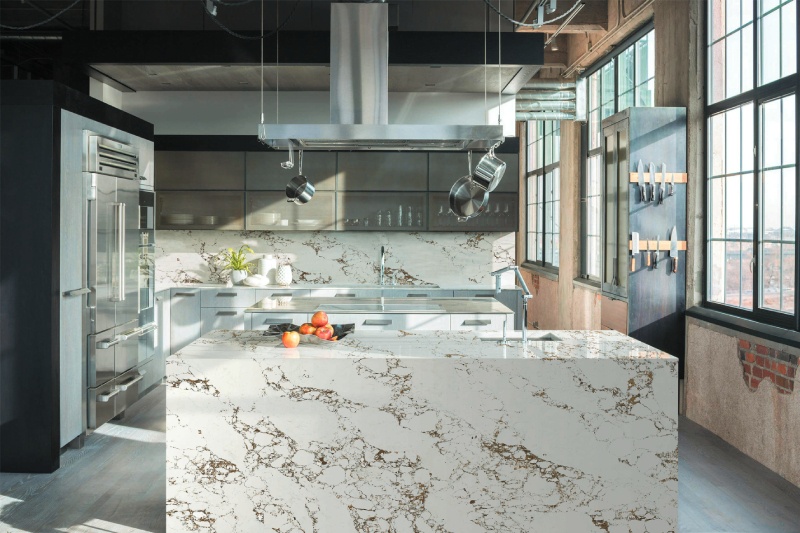
Due to their composition and inherent strength, क्वार्ट्ज रसोई वर्कटॉप्स exhibit outstanding resistance to scratches and damages. Even while they are not totally impervious to scratches, frequent maintenance, preventative measures, and good care can help them keep their durability and look over time. Homeowners may enjoy sturdy and beautiful kitchen surfaces that resist regular use while reducing the danger of scratches and damages by understanding the properties of quartz countertops and implementing relevant procedures.