

 English
  Français
  Português
  Español
  العربية
  Deutsch
  日本語
日本語  한국어
한국어  Italiano
  हिन्दी
  Русский
 Two of the most common options for kitchen countertops are granite and quartz, each of which has distinct qualities and visual appeal. The composition, durability, upkeep requirements, aesthetics, and environmental impact of quartz and granite kitchen countertops are all thoroughly compared in this article. Homeowners and design aficionados can choose the best countertop surface for their kitchens by considering the distinctive properties of these materials.
Quartz countertops are engineered surfaces comprised of roughly 93% natural quartz crystals and 7% resin binders. Their composition and sourcing are described below. These countertops frequently employ quartz that is supplied from quarries across the world. Granite countertops, on the other hand, are made of natural stone and generally contain feldspar, quartz, and mica. Based on its geological origin, granite is collected from quarries and has a broad variety of hues and patterns.
Resistance: Despite certain differences, granite and quartz countertops both offer great resistance to wear and tear. Due to the materials used and the manufacturing process, quartz countertops are designed to be extremely resistant to stains, scratches, and chips. Despite being sturdy, granite worktops may need to be sealed on occasion to maintain their resistance to stains and bacterial growth. Granite is more prone to chipping and, if improperly sealed, can be sensitive to acidic elements.

Quartz countertops require little care because of their non-porous surface, which prevents moisture absorption and lowers the possibility of staining. Quartz countertops only require occasional washing with light soap and water to remain in peak shape. But in order to retain its resistance to stains and bacterial growth, granite countertops need to be periodically sealed. Granite surfaces must be properly sealed and regularly cleaned to maintain their longevity and aesthetic appeal.
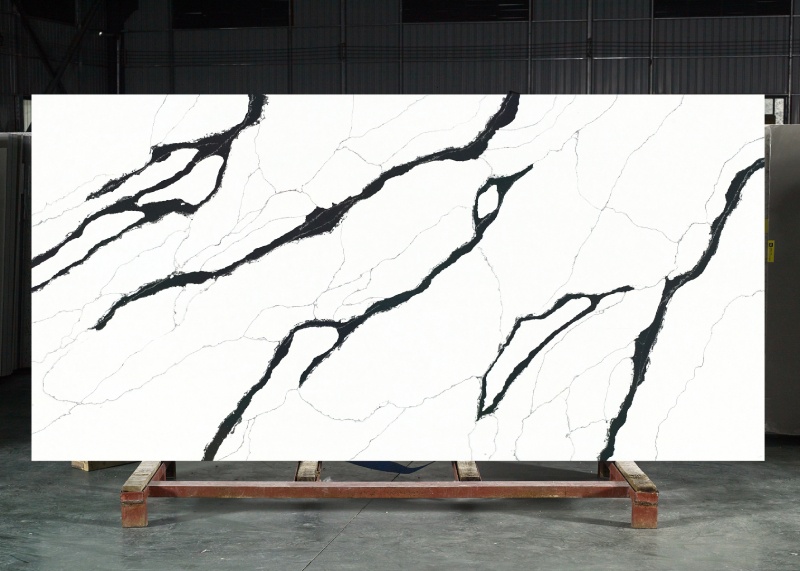
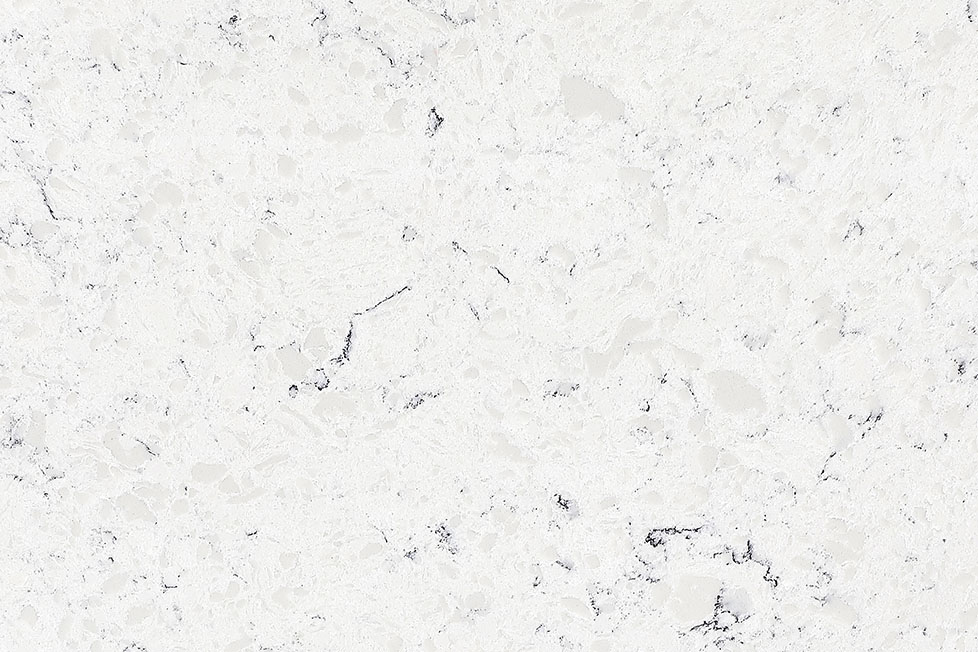
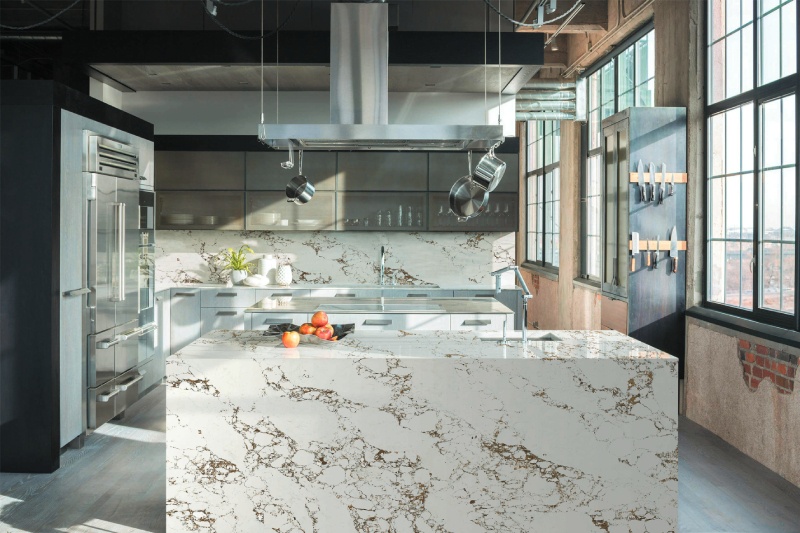
Quartz and granite worktops provide a wide range of aesthetic alternatives, enabling homeowners to create the kitchen of their dreams. Quartz countertops offer consistency in color, pattern, and texture since they are made to resemble genuine stone. They come in a wide variety of shades and designs, including those that resemble marble or granite.
Because granite is a natural stone, it exhibits distinctive variances in color, veining, and pattern, giving them a distinctive aesthetic appeal.
Heat and Impact Resistance: Countertops made of quartz and granite both have good heat resistance, allowing for the safe placing of hot cookware right on the surface. Extreme temperature fluctuations, though, have the potential to harm granite countertops if they are not sufficiently sealed. Because they are designed and non-porous, quartz countertops provide a surface with more even heat resistance. Both materials are also reasonably impact-resistant, though granite may occasionally be more prone to chipping.

Environmental Considerations: Granite and quartz countertops have different qualities that should be taken into account when assessing the environmental impact. Natural quartz must be extracted, making it necessary to use a non-renewable resource for quartz countertops. Quartz countertops are an environmentally friendly option thanks to the designed manufacturing process, which reduces waste and uses recycled resources. Natural stone like granite requires quarrying, which may have an adverse effect on the environment. However, the sector is working to incorporate eco-friendly quarrying methods and lessen carbon footprints.
Price range: The price of quartz and granite countertops can change depending on elements including availability, quality, and color. Due to the variances in rarity, quality, and source, granite countertops typically have a broader price range. Given that they are manufactured, quartz countertops offer more predictable cost based on the chosen brand and design.
Kitchen countertops made of quartz and granite each have their own distinct advantages and drawbacks. Granite worktops reflect the beauty of nature and need only occasional care to maintain its appearance, whilst quartz countertops offer consistent aesthetics, little maintenance needs, and outstanding durability. Homeowners can make well-informed choices based on their own needs and preferences by carefully weighing variables such as longevity, upkeep, aesthetics, and environmental effect. The functionality and aesthetic appeal of a kitchen can be improved with either quartz or granite, adding value to the room as a whole.