
 English
  Français
  Português
  Español
  العربية
  Deutsch
  日本語
日本語  한국어
한국어  Italiano
  हिन्दी
  Русский
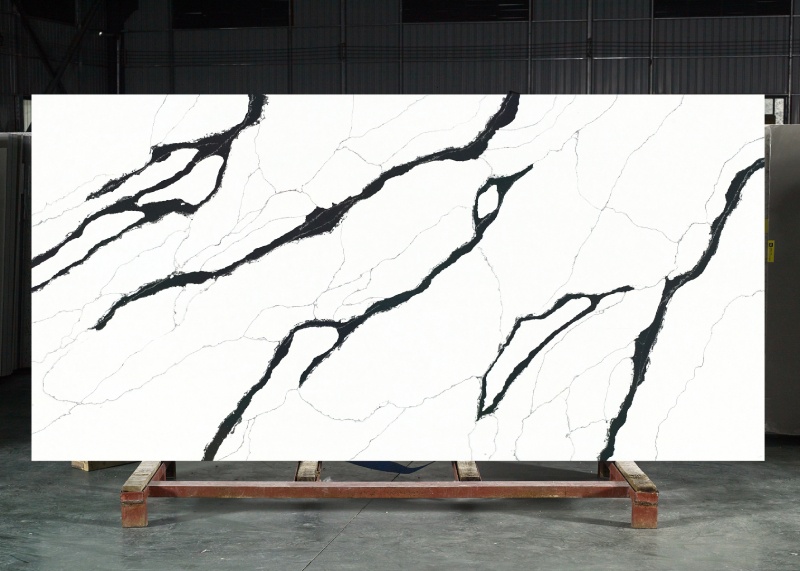
 In interior design, the choice of color is a major element influencing the general style. White quartz has a modern and simple look that lends the space brightness and cleanliness. Black or gray quartz, on the other hand, lends the area peace and a feeling of nobleness.
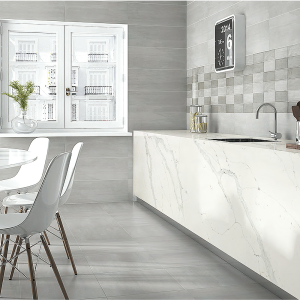
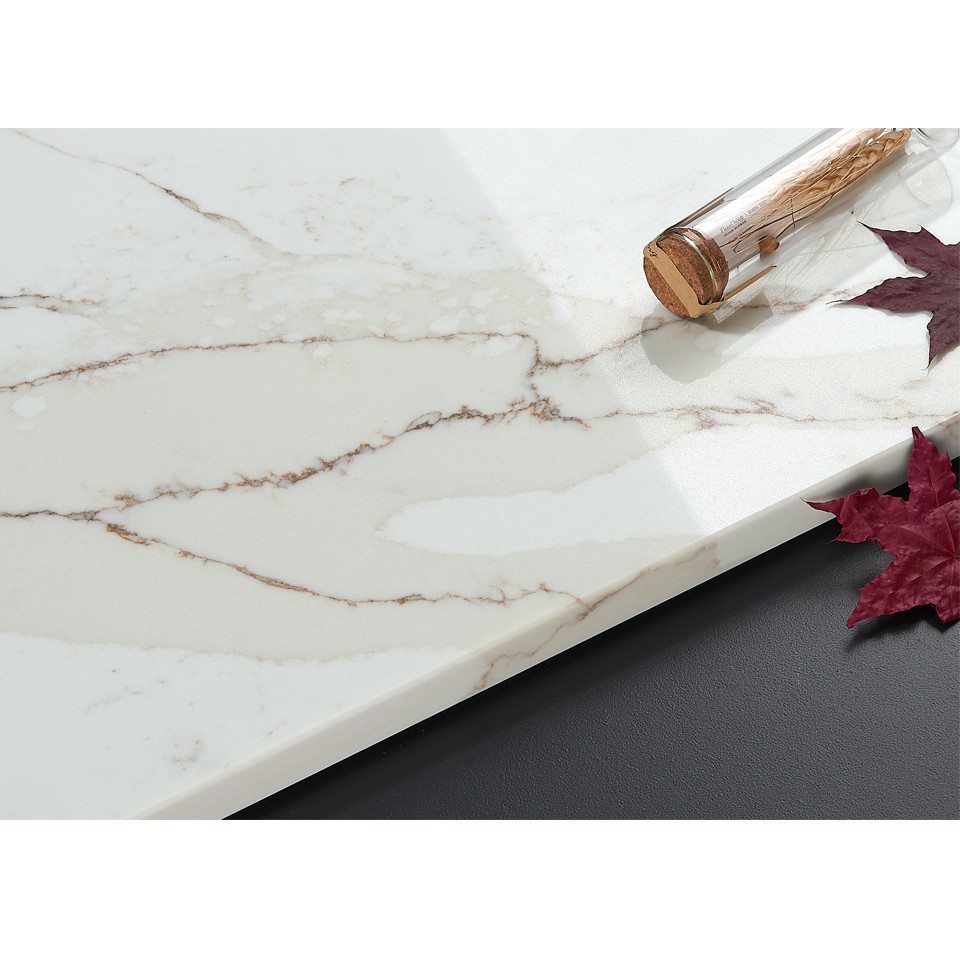
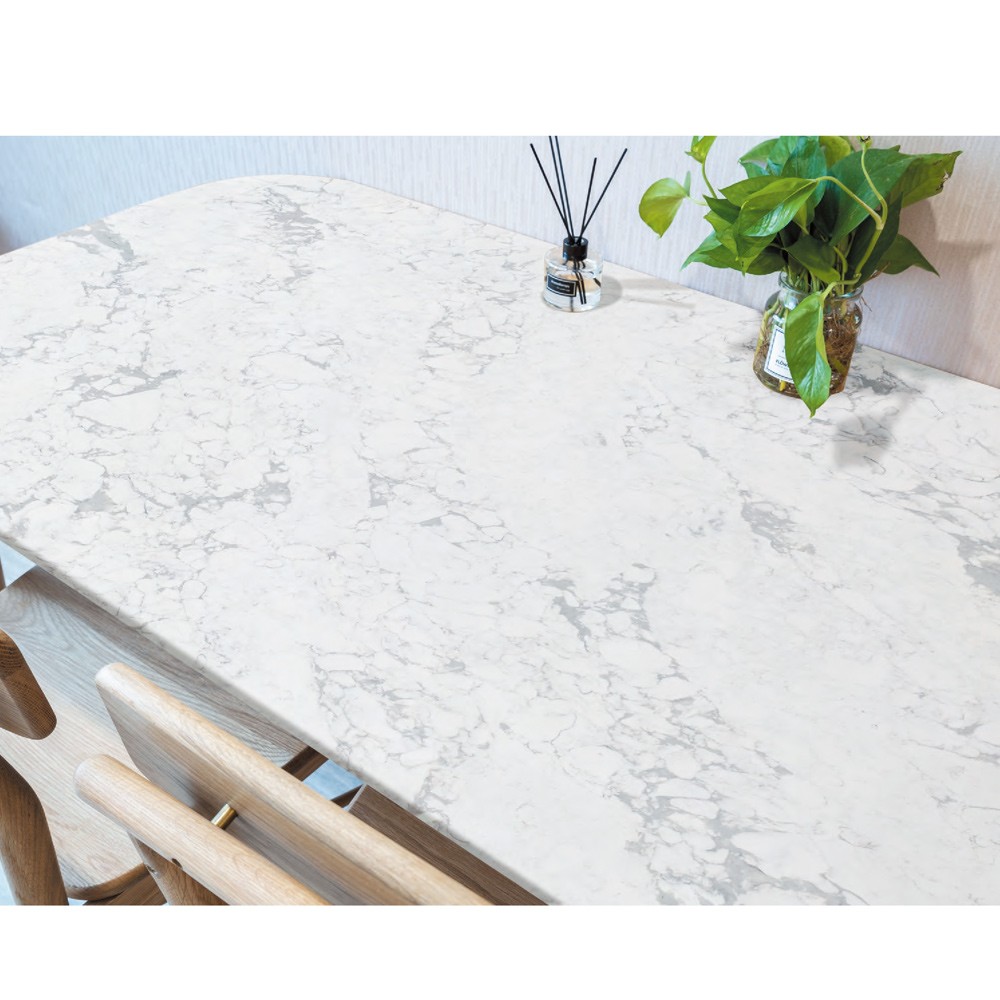
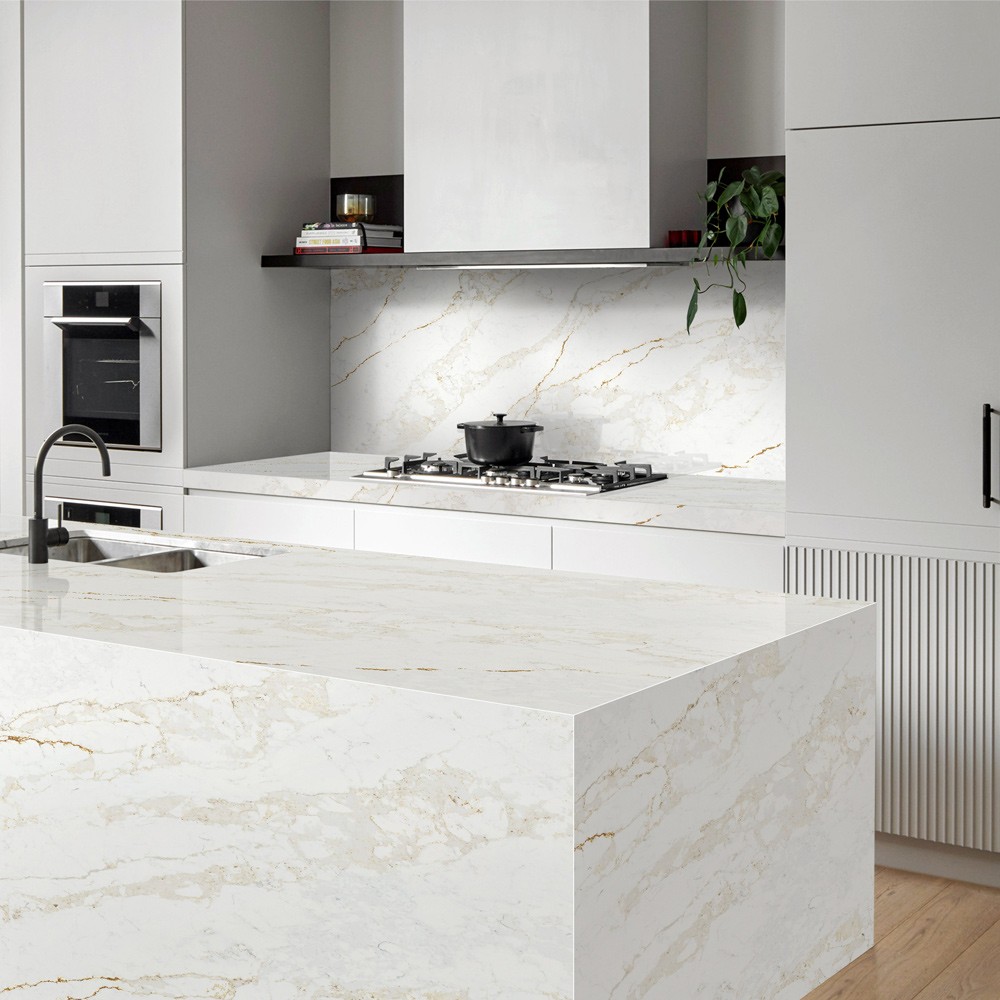
White Quartz Stone Slab
Because white quartz reflects more light, creating the appearance that the space is wider and more open than it really is, it is a great option for rooms either small or with inadequate lighting. Black or gray quartz is usually used in settings trying to produce a sophisticated, industrial, or deep appearance. Modern kitchen and bathroom design especially feature this kind of quartz.
How does colour affect the light within?
When creating interior spaces, efficient use of light is crucial; the color of quartz directly affects the way light is reflected off of it. Because white quartz effectively reflects both natural and artificial light, therefore augmenting the general brightness of the space, it is especially well-suited for usage as worktops in kitchens, bathrooms, and open living spaces. Furthermore, the white surface might help to enhance the visual purity of the space, thus presenting the room as cleaner.
Conversely, the use of black or gray quartz has the capacity to absorb light and reduce the sense of reflection, therefore affecting the appearance of a more peaceful but somewhat melancholic surroundings. This specific kind of black quartz slab is more appropriate for usage in large spaces with abundant of light; otherwise, it may make a small place look even more limited.
There is provision of simplicity in cleaning and maintenance
White quartz slabs have various disadvantages when it comes to care and cleaning, including their quick stain disclosure. This is actually a drawback even if they seem rather beautiful. Regarding white quartz slabs, for example, stains like red wine stains, coffee stains, and oil stains would be very obvious. White quartz slabs need extra frequent cleaning and care to prevent stains from entering over an extended length of time.
On the other hand, black or gray quartz slabs have some advantages related with this regard. Dark quartz slabs minimize everyday maintenance by concealing even the slightest scratches, dust, and stains, therefore reducing the demand on them. Conversely, while stains are tough to see, on black surfaces especially in regions with enough illumination fingerprints and water stains might be difficult to discern.
Combining and embellishing with some adaptability
Regarding decorating and harmonizing, white quartz slabs provide a lot of possibilities. Whether they are utilized in a modern minimalist design, a Nordic style, or a classic American style, white quartz slabs may be perfectly mixed and form a versatile basic element. It may accentuate cabinets, walls, and decorations in a range of colors and especially when combined with natural wood, it creates a living space that is both warm and natural feel.
Black or gray quartz slabs fit better for modern, industrial, or minimalist interior design projects. Combining them with other elements, including concrete, glass, metal, and so on, is typical practice in order to provide a trendy and modern look. If you are looking for visual impact, you should take some thought on quartz slabs in black or gray as they will offer the space more unique character.
Living long and having the ability to hide damage
Apart from its durability, quartz slabs are also remarkable in their scratch resistance. Regardless of its color—white, black, or gray—quartz slabs are very highly resistant to wear and damage. Conversely, the surface of white quartz slabs is more prone to show wear or scratches than that of grey quartz slabs. This implies that, during use, even little surface degradation will be rather obvious.
In this regard, black or gray quartz slabs work well. Even the slightest of scratches and stains may be hidden by dark tones; therefore, surface deterioration is difficult to detect even in highly used environments. This is driving increasing popularity of black or gray quartz slabs in high-traffic areas such kitchen countertops.
Issues related to the surroundings and ongoing existence
Since they combine naturally occurring quartz with environmentally friendly resins, quartz slabs are usually considered to be ecologically benign. This is so because quartz slabs provide the environmental continuity and protection of the surroundings. White quartz slabs are highly beneficial to the environment as they usually lack any artificial coloring. Apart from being more environmentally friendly, its production process helps to lower the release of harmful chemicals.
Sometimes dark tones are produced from black and gray quartz slabs by adding dyes to them. This might result in a rise in the chemical consumption during manufacture. Conversely, a lot of manufacturers of quartz slabs have committed themselves to the creation of environmentally friendly production techniques so that even black quartz slabs satisfy modern environmental criteria.
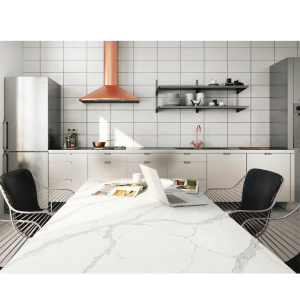
White Quartz
Among other advantages over black or gray quartz slabs, white quartz slabs reflect light, can be cleaned and maintained, complement decorative features, and last a long time. Which color to choose depends on your own preferences in terms of design, the space restrictions, and the practical demands for materials. White quartz slabs will let you create a simple, spacious, light space. Conversely, black or gray quartz slabs are a necessary substitute if you want to provide the space additional depth and character.